Jamaica’s Justice Ministry is spearheading an intensive public education campaign to address critical knowledge gaps surrounding the nation’s Child Diversion Programme, following alarming revelations that numerous judges, law enforcement personnel, and educational institutions remain unfamiliar with the initiative designed to protect minors from criminal prosecution.
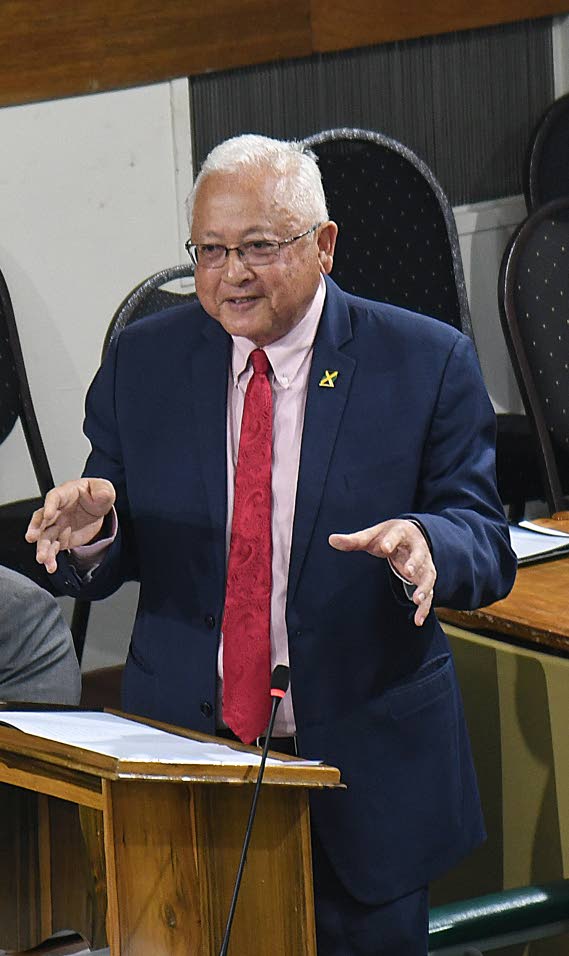
Justice Minister Delroy Chuck disclosed during Thursday’s joint select committee review of the Child Diversion Act that fundamental misunderstandings among key stakeholders have severely limited the program’s effectiveness. The minister recounted instances where police officers in parish divisions responded with confusion when questioned about the program, asking ‘What is that, Sir?’
Minister Chuck revealed that even judicial authorities had demonstrated significant misinterpretations of the legislation until recent clarification sessions. ‘Sitting there and listening to the judges, I realized how they misinterpreted and felt that the Act should be done this way,’ Chuck stated, emphasizing the urgent need for professional communications support to educate stakeholders about program intricacies and referral procedures.
Jamaicans For Justice (JFJ) Executive Director Mickel Jackson provided compelling testimony regarding the awareness crisis, noting that despite training approximately 300 police officers over three years, fewer than ten participants in any session demonstrated familiarity with the diversion program. Jackson highlighted particularly concerning misconceptions within law enforcement, where many officers erroneously believe the program applies exclusively to sexual offenses.
Data obtained through Access to Information requests revealed striking disparities in program referrals between March 2020 and January 2024. Police departments made merely 218 referrals, all originating from the Centre for the Investigation of Sexual Offences and Child Abuse (CISOCA), while courts submitted 1,234 referrals during the same period. Further analysis showed sexual offenses accounted for 62% of completed diversion cases, including charges such as sexual intercourse with minors under 16 and indecent assault.
State Minister Marisa Dalrymple-Philibert endorsed the public education initiative, drawing parallels to successful past campaigns like ‘Two is better than too many.’ She emphasized that early intervention through proper program implementation could significantly impact Jamaica’s crime reduction efforts by redirecting youth from the criminal justice system.
The Ministry of Justice is now pursuing dedicated funding for professional public relations support to ensure comprehensive nationwide awareness about the Child Diversion Programme’s mechanisms and benefits.