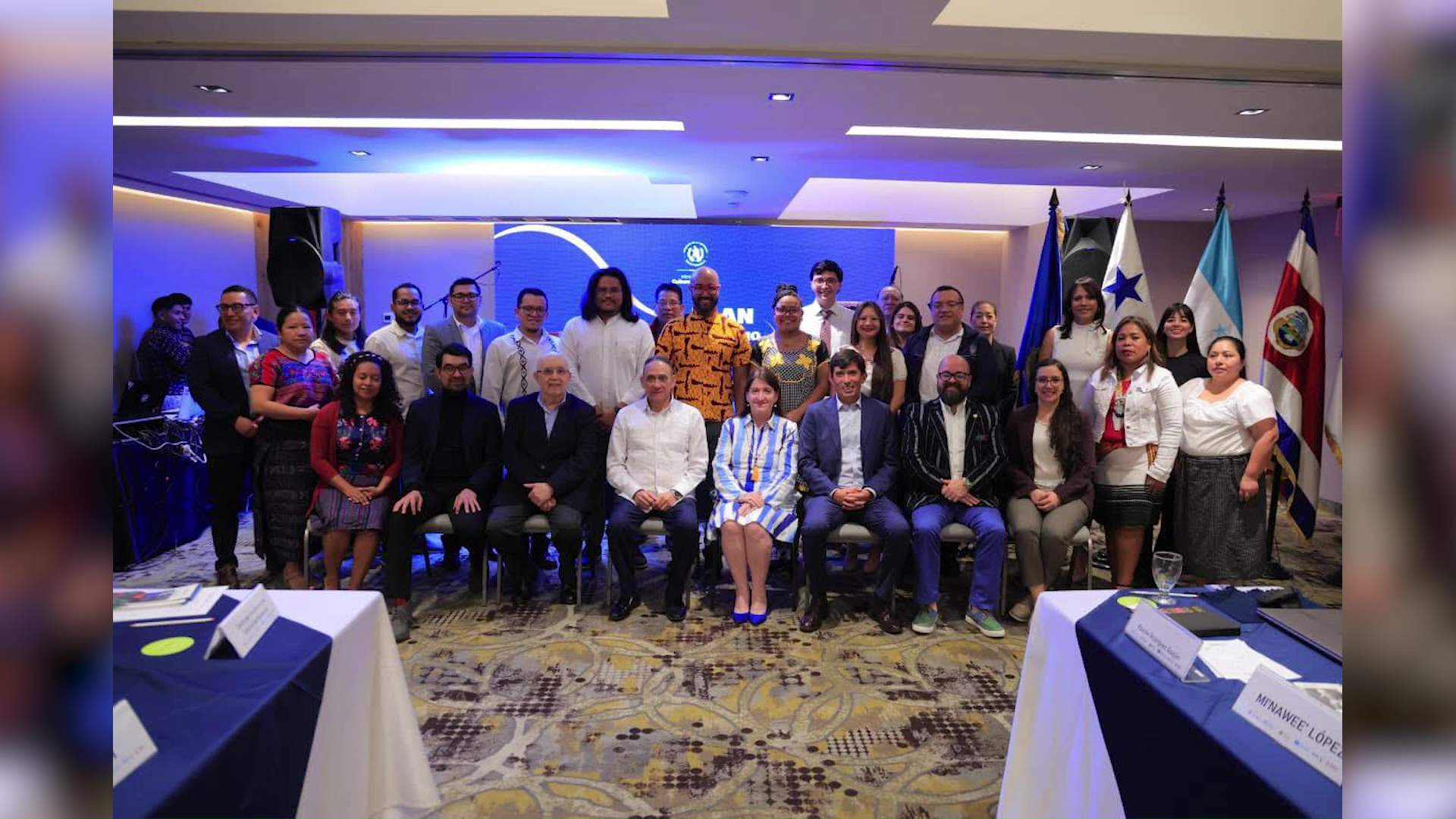
In a landmark regional collaboration, Central American nations have united to launch a comprehensive initiative aimed at preserving and revitalizing indigenous languages. The Indigenous Language Plan for Central America was formally inaugurated during a significant gathering in Guatemala this past weekend, strategically timed to coincide with International Mother Language Day observances.
Belize emerged as a pivotal contributor to this multinational effort, with cultural representatives playing instrumental roles in the plan’s development. Rolando Cocom, Director of the Institute for Social & Cultural Research, emphasized the extensive preparatory work behind the initiative, noting that months of collaborative assessment and strategic planning preceded Saturday’s official launch. The regional cooperation involved thorough evaluation of indigenous language status across Central America and establishment of shared preservation objectives.
Delmer Tzib, Coordinator of the Intercultural Indigenous Language Institute at the University of Belize, provided crucial philosophical grounding for the initiative, articulating a dual framework for understanding linguistic preservation. Beyond their undeniable value as cultural heritage artifacts, Tzib emphasized that indigenous languages represent fundamental human rights—specifically the right to speak one’s mother tongue, share it openly within communities, and ensure its intergenerational transmission.
This coordinated regional approach marks a significant advancement in language conservation efforts, moving beyond national boundaries to create a unified front against linguistic erosion. The plan establishes mechanisms for international visibility, systematic safeguarding protocols, and promotion strategies designed to address the urgent preservation needs identified across the region.