Windward Aid has launched a comprehensive initiative addressing both water scarcity and plastic pollution on the Caribbean island of Carriacou. The program represents a strategic expansion of the organization’s 2026 recovery and resilience framework across Grenada and surrounding regions.
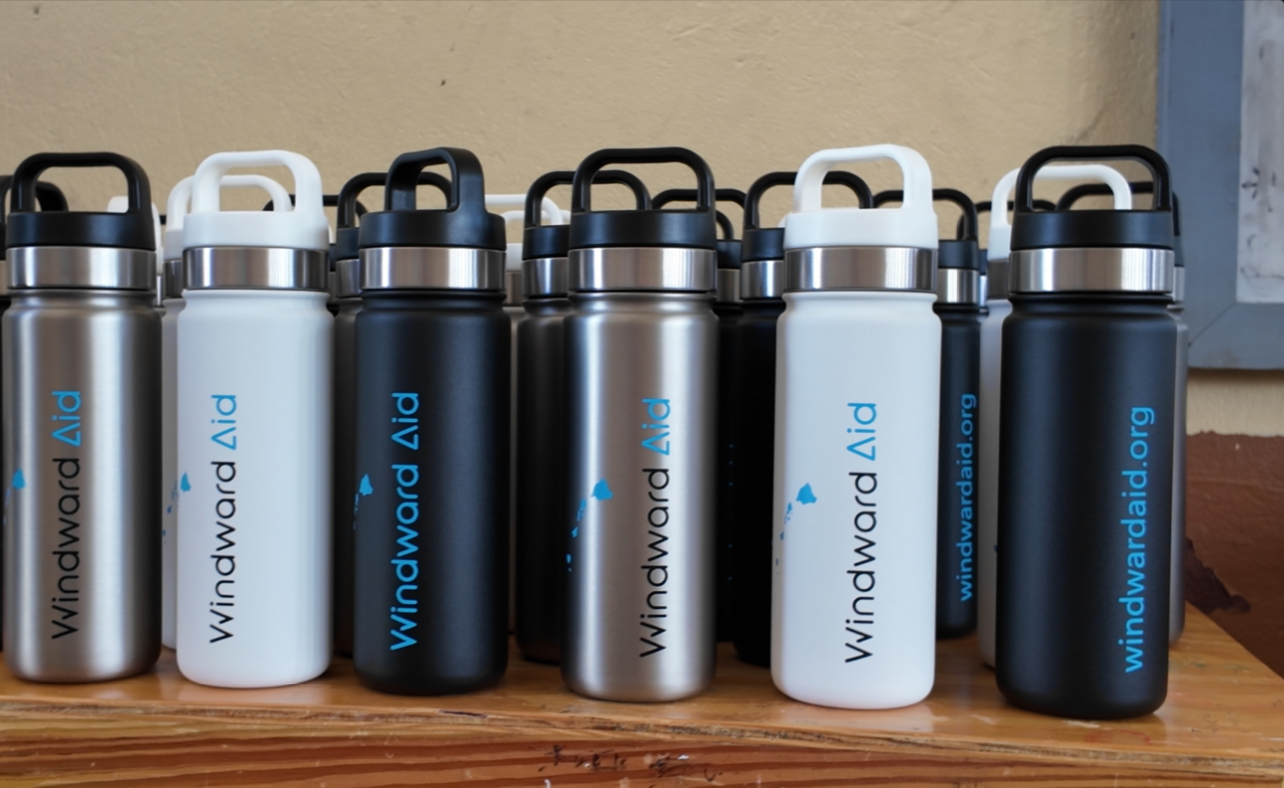
The intervention unfolds through two parallel components: Edu Aid Phase 11 and Aqua Aid Phase 11. The educational arm has deployed reusable metal flasks and water dispensers across 18 schools and early childhood institutions, fundamentally transforming hydration practices for students. This systematic shift eliminates dependence on single-use plastic bottles while ensuring consistent access to potable water throughout the academic calendar.
Environmental implications are particularly significant for small island developing states like Grenada, where plastic waste frequently ends up incinerated or marine-bound, threatening both ecological systems and tourism economies. The problem intensifies during dry seasons when bottled water consumption typically spikes.
Simultaneously, the humanitarian response scales household water support from 100 to over 200 families during the current dry season. This expansion operates through community-led identification processes targeting vulnerable households.
The timing proves critical given compounding challenges. Hurricane Beryl’s July 2024 passage damaged rainwater harvesting systems across Carriacou, with many cisterns remaining underfilled despite recent roof reconstructions. Further exacerbating shortages, the National Water and Sewerage Authority (Nawasa) has faced approximately two months of desalination production halts due to technical failures at its plant.
Implementation relies on partnership with Boley Springs, which manages water quality assurance, sanitization protocols, and weekly distribution logistics meeting national potability standards. Weekly deliveries now transport up to 360 five-gallon bottles to educational institutions, with empties collected for professional sanitization and refilling.
Education officials emphasize the program’s dual significance. Principal Kerwin Noel of Mt Government School noted the long-term environmental benefits, stating plastic reduction lessons ecological burdens for future generations. Carriacou District Education Officer Delon Moses characterized the intervention as ‘high priority’ amid persistent water scarcity following Hurricane Beryl.
Windward Aid representative Alana Clement emphasized care maintenance for distributed equipment during handover ceremonies, noting the particularly harsh dry season conditions.
Beyond immediate crisis response, the initiative models integrated resilience linking climate recovery with environmental stewardship. Each refillable bottle now symbolizes reduced landfill burden, diminished marine pollution, and classroom-based climate adaptation progress.