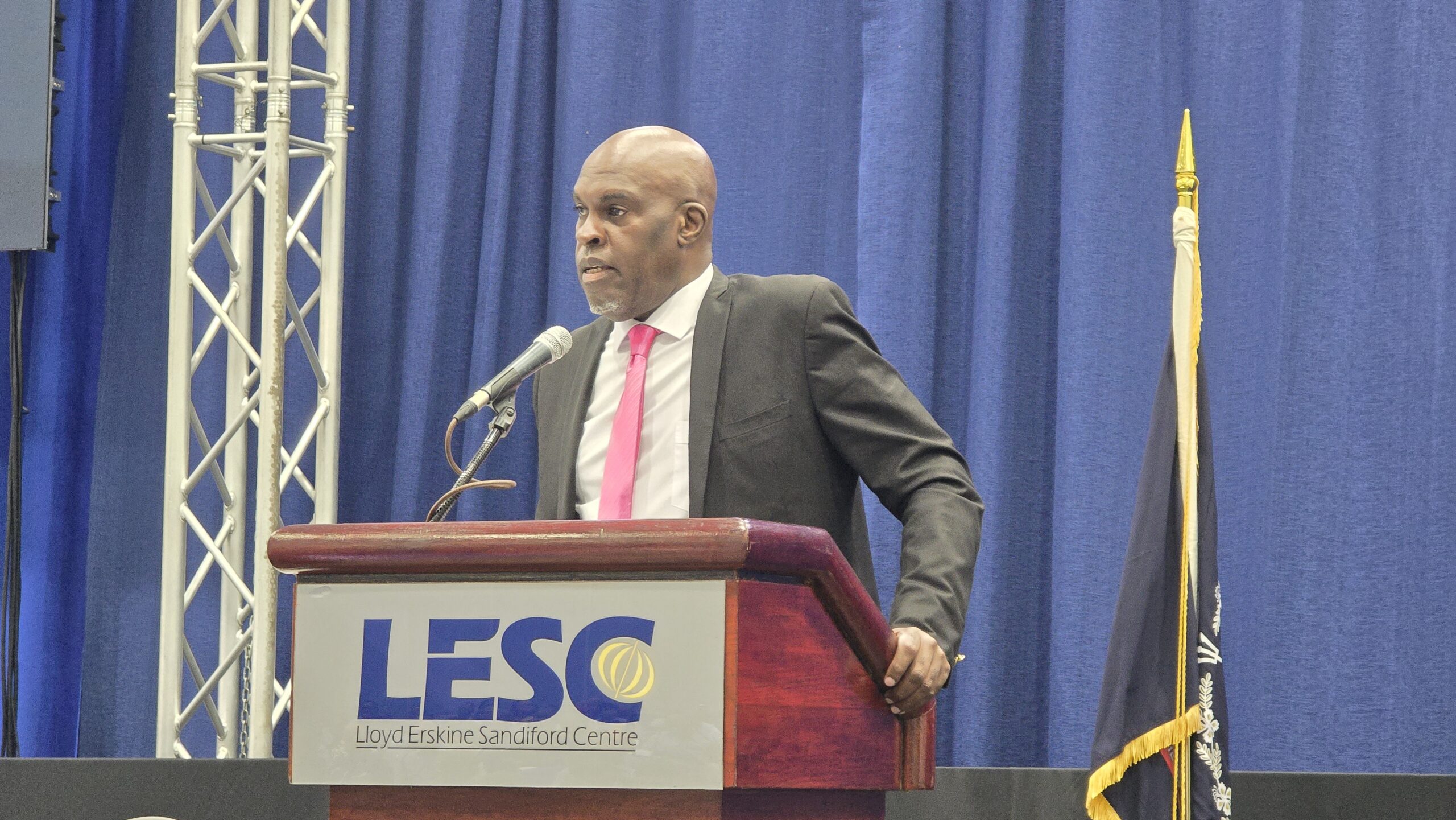
Barbados is moving decisively toward establishing a specialized judicial body to address firearm-related offenses, as announced by newly appointed Minister of Legal Affairs and Criminal Justice Michael Lashley. The veteran criminal defense attorney presented his comprehensive framework for the proposed gun court during the Barbados Police Service Annual Grand Conference at the Lloyd Erskine Sandiford Centre.
Minister Lashley confirmed collaborative efforts with Attorney General Wilfred Abrahams to operationalize the court, emphasizing its potential to significantly impact the criminal justice landscape. “I am mandated to establish the gun court, which is a critical component in the criminal justice system,” Lashley stated, outlining four essential requirements for successful implementation: meticulous record-keeping, ballistic expert verification of firearms compliance with Barbadian law, involvement of chief investigators, and proper handling of accused statements.
The minister highlighted systemic challenges within current judicial processes, noting that excessive adjournments often cause cases to become lost within the system. He stressed that timely preparation, completion, and presentation of case files to the Director of Public Prosecutions and courts are fundamental to achieving expedited trials and maintaining public confidence in justice administration.
Lashley drew from his recent experience as a defense attorney, acknowledging marked improvements in file submissions for serious crimes, with disclosure materials now arriving within four to five months instead of the previous year-long waits. However, he emphasized the need for further enhancements in time management, evidence compilation, forensic evidence handling, and disclosure standards.
The minister advocated for adopting international best practices from leading police forces, particularly in case management systems, leadership development, forensic capabilities, intelligence-led policing, and community safety strategies. “No police service can operate in isolation,” Lashley remarked, emphasizing the importance of cross-border policing innovations.
Complementing these judicial reforms, the minister revealed ongoing improvements to police infrastructure across jurisdictions, with plans to construct new stations this year. He committed to drastically improving working conditions for law enforcement personnel, recognizing their crucial role in public safety and justice administration.