Antigua and Barbuda has embarked on a transformative agricultural initiative with the inaugural convening of its Clean Seed Sweet Potato Committee this week. This landmark assembly represents a critical advancement for the nation’s root crop industry, operating under the regional Next Generation Sweet Potato Project framework.
The newly formed committee brings together a coalition of technical experts from the Ministry of Agriculture, private sector representatives, and specialists from the Caribbean Agriculture Research and Development Institute (CARDI). Their primary mission is to establish a comprehensive clean seed system that will guarantee local farmers reliable access to certified disease-free planting materials. This foundational work is projected to significantly increase agricultural productivity, bolster national food security measures, and enhance climate resilience within the farming sector.
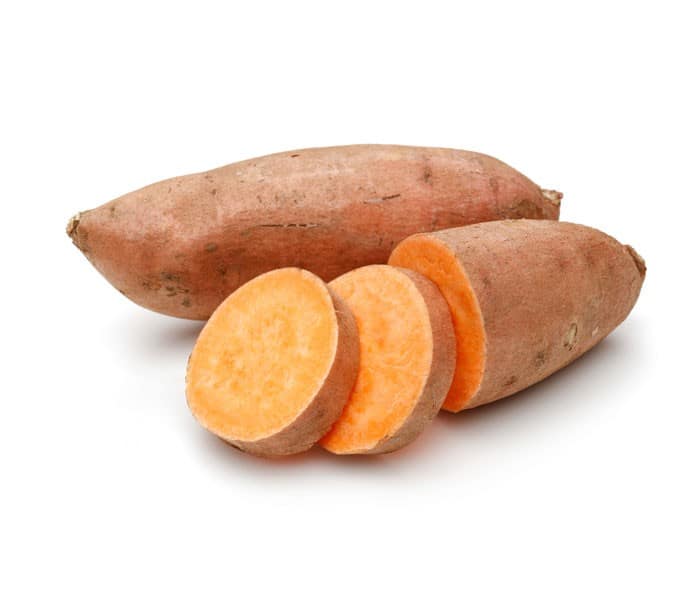
During the inaugural session, committee members meticulously defined project objectives, delineated organizational responsibilities, and formulated strategic approaches for expanding domestic clean seed production capabilities. The nation has already assembled a diverse genetic portfolio comprising six distinct sweet potato varieties—Black Rock, Hurricane, King Crown, Mandela, Catch Me, and Big Red. These specimens will undergo advanced tissue culture processing through the United States Department of Agriculture (USDA) to ensure complete pathogen elimination.
The committee has established a framework for regular meetings to monitor implementation progress, coordinate specialized training programs, and facilitate knowledge exchange among stakeholders. This ongoing oversight mechanism ensures that project benefits will effectively reach agricultural producers and communities across the nation.
This four-year regional initiative is implemented by the Inter-American Institute for Cooperation on Agriculture (IICA) with substantial funding from multiple international partners including the Food and Agriculture Organization (FAO), the International Treaty on Plant Genetic Resources for Food and Agriculture, and the European Union. The project simultaneously operates in Antigua and Barbuda, Jamaica, and St. Lucia, representing a coordinated effort to modernize root crop agriculture and establish sustainable food systems throughout the Caribbean region.