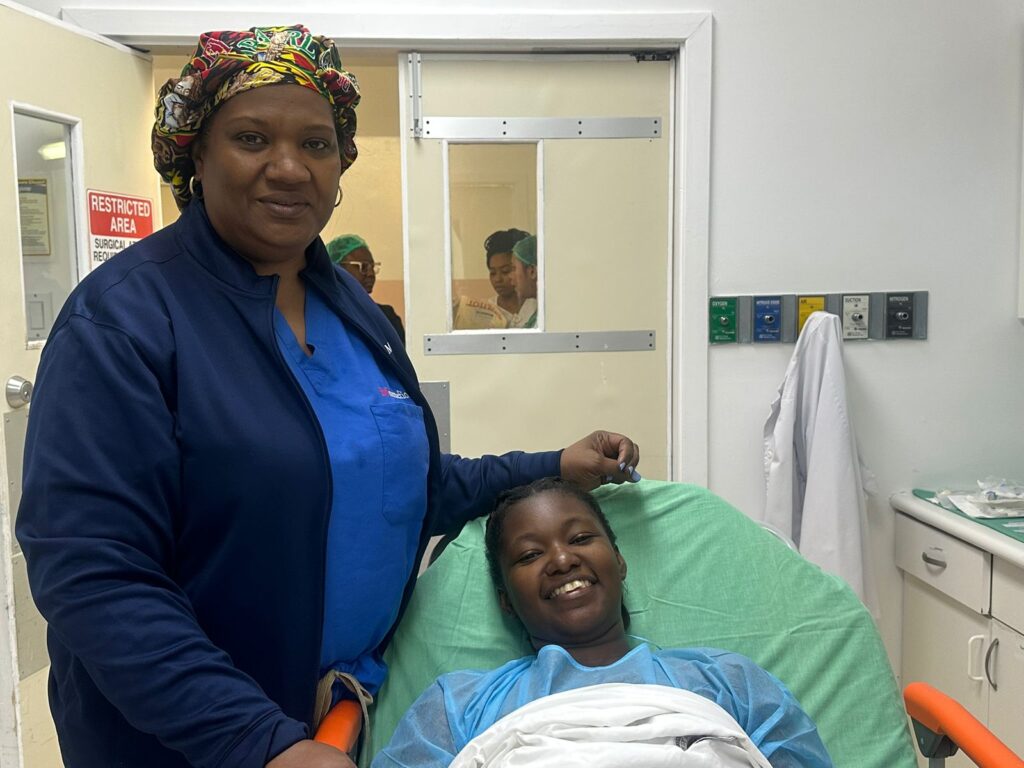
A 21-year-old Jamaican mother, Chris-Ann Hall, faced life-threatening heart complications merely months after delivering her daughter in February 2023. Experiencing severe shortness of breath, persistent coughing, and inability to lie flat, Hall initially received an acid reflux misdiagnosis. Comprehensive medical testing in early 2024 ultimately identified mitral valve regurgitation—a damaged heart valve leaking fluid into her lungs.
Her cardiac function plummeted to 23%, necessitating three weeks of intensive hospitalization and multiple medications. With valve replacement surgery financially out of reach, Hall was referred by the University Hospital of the West Indies to an international medical mission providing pro bono surgeries. The 2025 procedure successfully replaced her valve with a mechanical implant, though she requires lifelong blood thinners to prevent clotting.
Hall suspects a genetic component to her condition, noting her father shares the same diagnosis, though physicians believe pregnancy may have accelerated valve damage. The most challenging aspect involved prolonged separation from her infant daughter during hospitalizations and biweekly treatments in Kingston.
Her recovery was supported by family, Jamaica’s Ministry of Health and Wellness, the I Have a Heart Foundation, and crowdfunding assistance for medications. Hall now advocates for early medical consultation among young Jamaicans experiencing cardiac symptoms.
This case emerges against Jamaica’s cardiovascular disease epidemic, which accounts for over one-third of national fatalities. Interventional cardiologist Dr. Tahira Redwood observes increasing heart disease presentations among younger demographics, attributing this trend to improved health awareness, earlier screening, and rising risk factors including obesity, hypertension, and sedentary lifestyles. While traditionally manifesting in older adults, Dr. Redwood notes cardiovascular diseases now increasingly appear in patients aged 30+ due to decades-long progression beginning in their 20s.