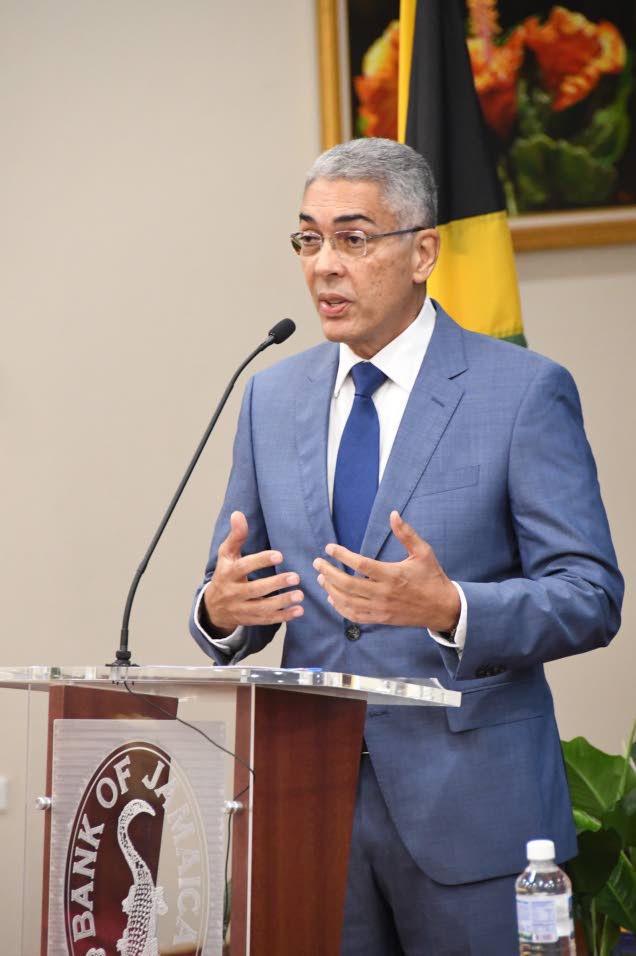
The Bank of Jamaica (BOJ) has expressed confidence that the government’s recently implemented tax package will not hinder the nation’s economic recovery trajectory in the coming year, despite concurrent fiscal expansion and massive hurricane reconstruction efforts. Governor Richard Byles addressed concerns during the central bank’s quarterly monetary policy briefing, dismissing predictions that the combined effect of increased taxation and post-Hurricane Melissa spending would suppress economic growth or trigger renewed inflationary pressures.
While acknowledging that higher taxes typically reduce consumer demand, Governor Byles emphasized that the government’s deficit-financed reconstruction initiative would inject sufficient stimulus to counterbalance any economic drag. This perspective reflects the central bank’s growing assurance that Jamaica can successfully navigate toward recovery in 2026-27, even with the temporary suspension of fiscal rules enacted following Hurricane Melissa’s devastation in late 2025.
The BOJ’s current projections indicate the economy will contract between 1-3% this fiscal year before rebounding to positive growth of 1-3% next year. This anticipated turnaround is expected to be driven by significant recoveries across multiple sectors including agriculture, mining, tourism, and electricity supply. Notably, the agricultural sector alone is forecast to rebound by 5-10% in the upcoming year after suffering devastating declines of 15-20% in the hurricane’s aftermath.
Regarding inflation risks associated with increased government spending, the central bank maintains that Jamaica can manage reconstruction efforts without exceeding the 4-6% inflation target corridor over the next 12-18 months. This confidence stems from anticipated improvements in agricultural output, moderating hurricane-related price pressures, and modest exchange rate appreciation.
The BOJ recently implemented a cautious 25-basis-point rate reduction, bringing the policy rate to 5.50%, which Governor Byles characterized as more of a directional indicator than an immediate trigger for widespread commercial lending rate reductions. He explained that major financial institutions continue to hold substantial portfolios of fixed-rate loans issued during the low-rate pandemic period, which will naturally slow the transmission of monetary policy changes to borrowing costs.