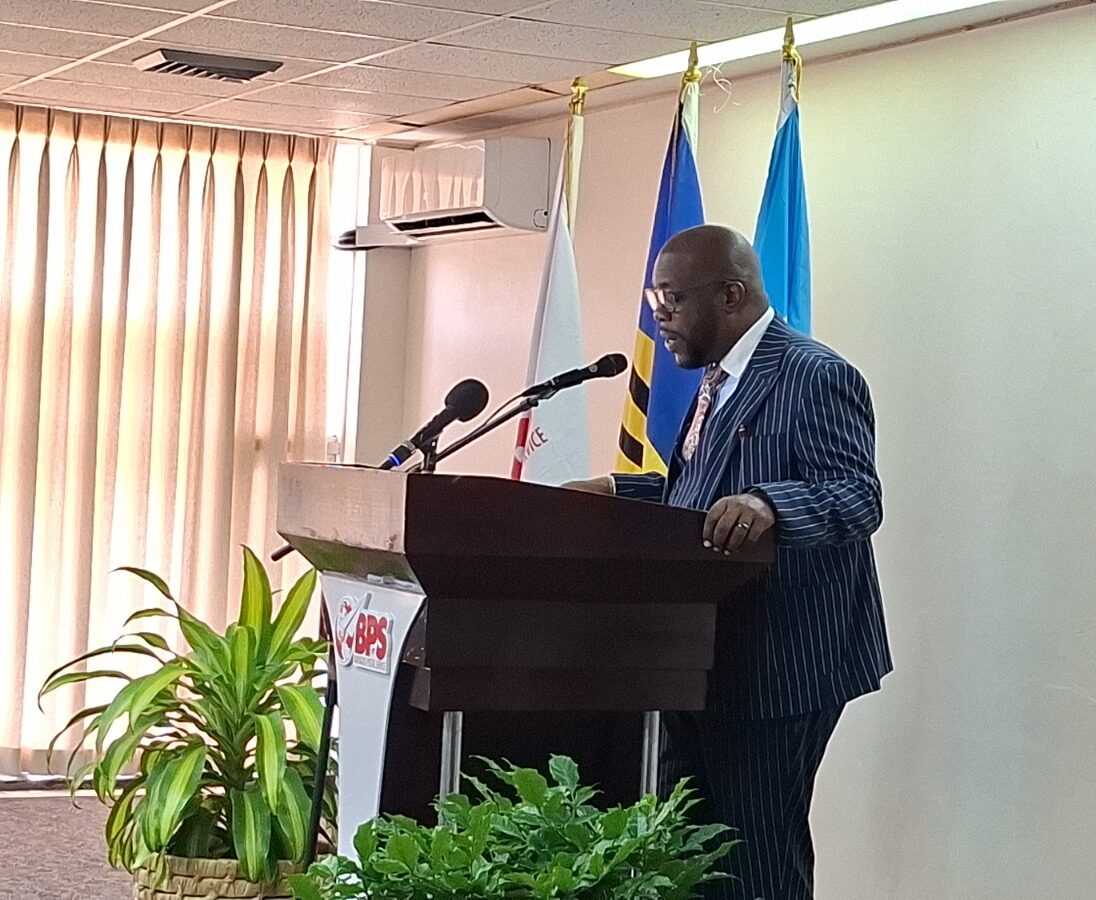
Caribbean postal administrations are confronting a critical financial challenge as cross-border e-commerce drives unprecedented growth in international parcel volumes. Gregory Nicholls, Barbados’ Minister of Home Affairs and Information, has emphasized that reforming terminal dues—the system governing how postal operators compensate each other for delivering international mail—is essential for the region’s postal sustainability.
Speaking at the Universal Postal Union–Caribbean Postal Union Remuneration Workshop in Bridgetown, Nicholls highlighted the disproportionate burden faced by small island states. These administrations grapple with elevated transportation expenses, constrained economies of scale, and complex logistics networks that strain their operational capabilities.
“When strategically managed,” Nicholls asserted, “terminal dues systems can become powerful tools for modernization, efficiency gains, and revenue optimization rather than financial liabilities.” He warned that without proper negotiation and understanding, these systems could impose unsustainable pressure on regional postal services.
The minister outlined a comprehensive strategy involving enhanced regional cooperation, sophisticated cost accounting mechanisms, and data-informed policymaking. He stressed the importance of continuous professional development and training investments to build institutional capacity across Caribbean postal networks.
Nicholls reaffirmed the Barbadian government’s dedication to modernizing its national postal system while championing the cause of equitable treatment for small states within global postal policy frameworks. He urged workshop participants to approach the event as a strategic initiative to strengthen collective bargaining power and elevate service standards throughout the Caribbean region.