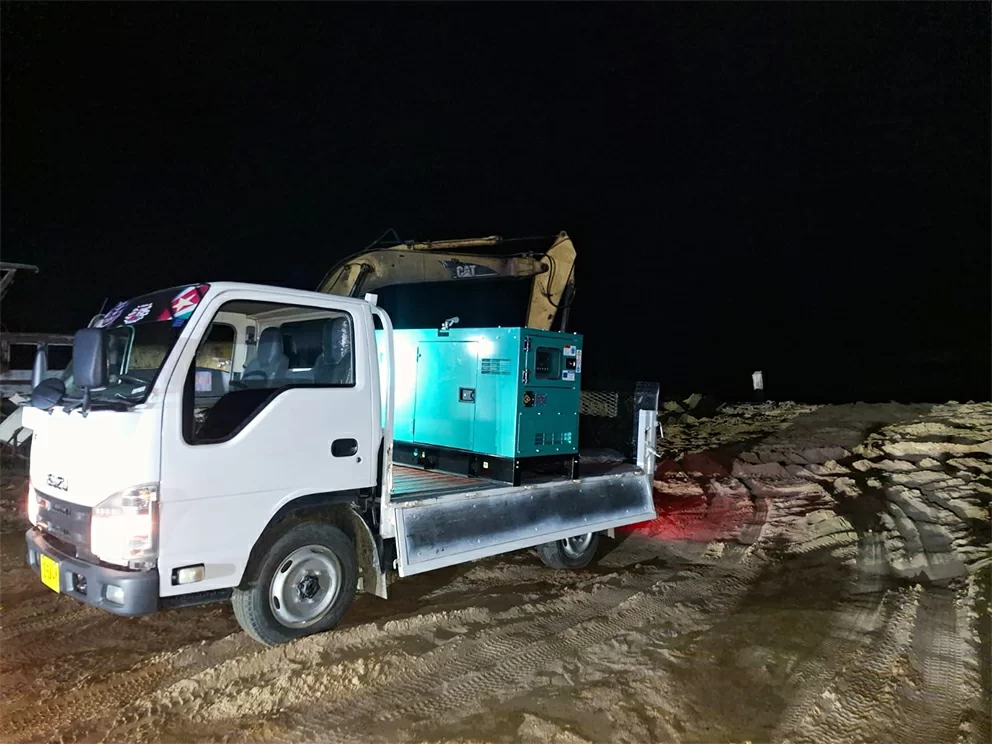
A newly acquired generator intended to reactivate the critical Wakay irrigation pumps has finally reached Suriname via pontoon transport, yet technical installation teams remained absent as of Monday morning. Agriculture Minister Mike Noorsalim acknowledged procedural delays in the government’s procurement process, explaining that compliance with official regulations slowed the emergency response. The earliest operational timeline now projects Tuesday evening for pump reactivation, with water levels in irrigation channels potentially improving within 24 hours thereafter.
This development follows weeks of mounting distress among rice cultivators whose crops entered a crucial growth phase without adequate irrigation. The previous generator failure created a ten-day water stoppage that threatens harvest viability, compelling farmers to expend scarce resources on private pumping operations from already depleted canals. Financial pressures compound the crisis as wet paddy prices stagnate at 400 Surinamese dollars per bag—far below the 650 SRD minimum required for profitability.
The Wakay irrigation breakdown exposes systemic vulnerabilities within Suriname’s agricultural infrastructure and governance. Chronic issues include poorly maintained water channels, inadequate governmental intervention in water management, and repeated flooding of farmlands during rainfall despite ongoing drought conditions. These structural deficiencies prevent the sector from achieving its potential despite decades of policy discussions.
International market dynamics further complicate local realities. Global rice prices continue declining due to India’s lifted export restrictions and record harvests across Asia, with projected 2025/2026 reserves of 218 million tons maintaining downward pressure. However, Suriname’s domestic pricing remains disconnected from world markets, influenced primarily by production costs, trader relationships, and market mechanisms that consistently disadvantage growers.
This incident exemplifies Suriname’s persistent challenges: bureaucratic inefficiency, insufficient infrastructure investment, and unresolved structural problems that undermine agricultural sustainability despite repeated governmental assurances.