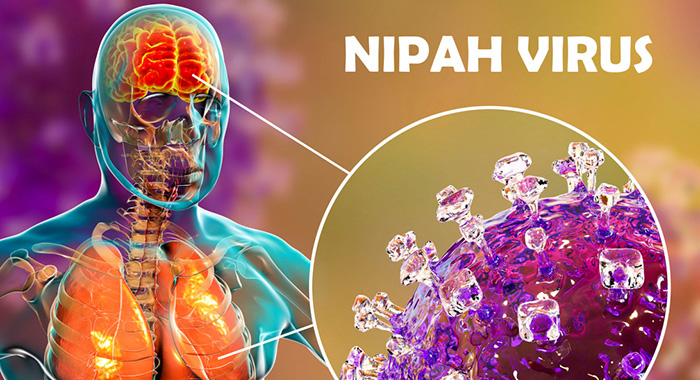
Health authorities in St. Vincent and the Grenadines have implemented enhanced surveillance protocols despite official assessments indicating minimal immediate threat from the Nipah Virus (NiV) within Caribbean territories. The Ministry of Health, Wellness, Environmental Health and Energy confirmed ongoing monitoring of international NiV developments while emphasizing the nation’s current absence of suspected or confirmed cases.
According to epidemiological assessments coordinated through the Caribbean Public Health Agency, the entire region maintains a low-risk classification for the zoonotic pathogen. NiV originates in fruit bats (flying foxes) and transmits to humans through direct contact with infected animals, consumption of contaminated food products, or close exposure to infected individuals.
The ministry outlined clinical manifestations ranging from mild influenza-like symptoms—including fever, cephalalgia, and respiratory complications—to severe neurological impairment marked by encephalitis and acute respiratory distress. Medical professionals have been alerted to recognize potential indicators, particularly among travelers from affected regions.
While reaffirming the low probability of domestic transmission, health officials issued precautionary guidance for international travelers. Individuals returning from NiV-affected areas are advised to seek immediate medical consultation upon developing febrile conditions, respiratory abnormalities, or neurological symptoms, with compulsory disclosure of travel history to healthcare providers.
The national health security framework remains activated through collaborative partnerships with regional and international health organizations, ensuring continuous risk assessment and readiness implementation. The ministry committed to providing public updates as the situation evolves, prioritizing population health protection through proactive containment strategies.