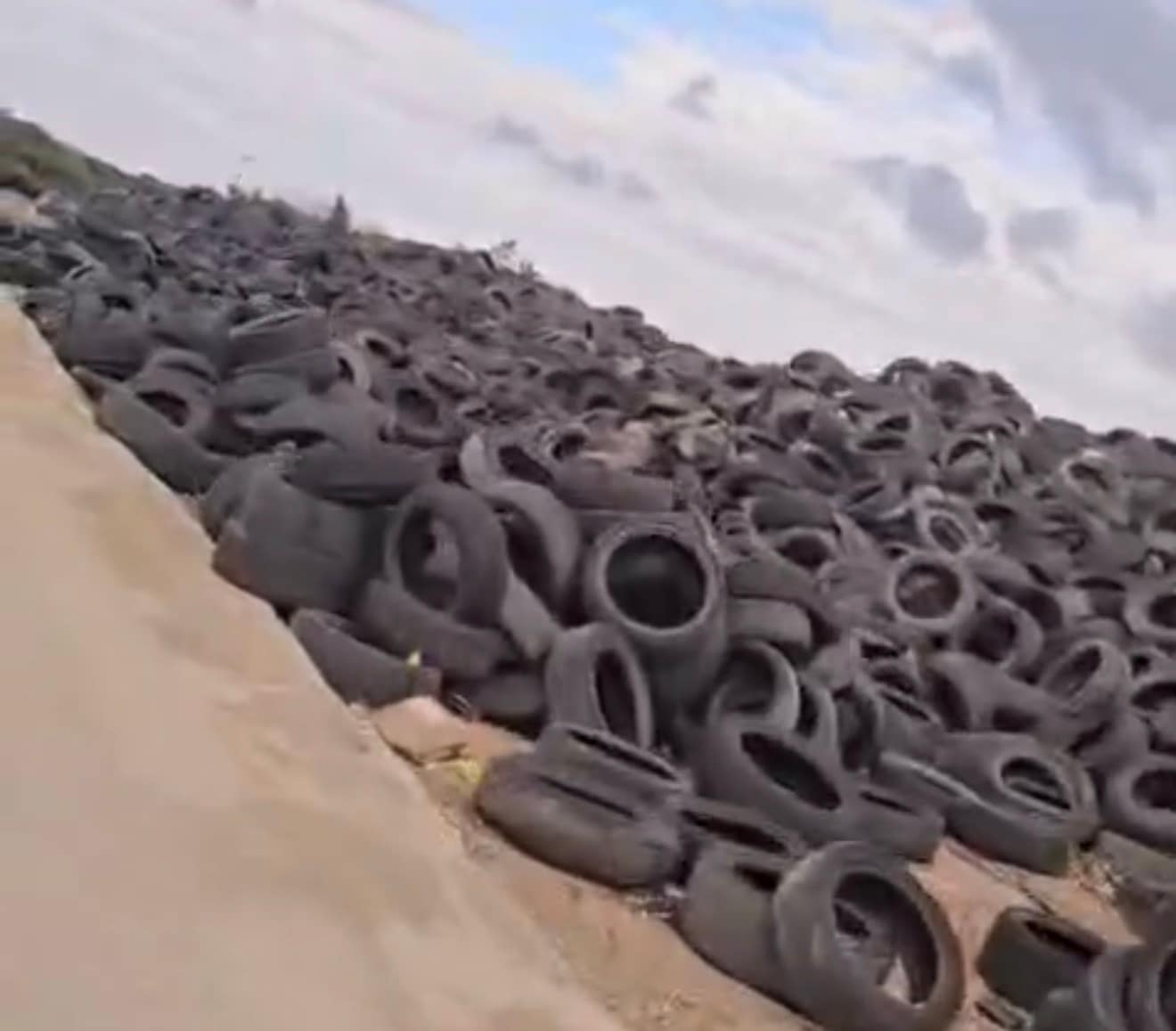
The Cook’s Landfill in Antigua’s St. John’s Rural West Constituency has evolved into a severe public health emergency, with mounting evidence of systemic failures and environmental contamination. According to local representatives, the facility accepts virtually all waste types—including raw sewage and combustible materials—without adequate separation protocols, leading to widespread groundwater and surface water pollution.
The ecological damage extends beyond immediate surroundings, with confirmed mangrove contamination creating pathways for toxins to reach marine environments. Compounding these concerns, the recent relocation of Five Islands Primary School closer to the hazardous site has intensified fears regarding children’s health and safety.
While the Cabinet of Antigua and Barbuda has acknowledged the crisis and pledged intervention, community members express skepticism due to historical patterns of unfulfilled commitments. Operational deficiencies include critical staffing shortages, inadequate equipment, absent safety protocols, and the lack of essential machinery like tire shredders. Current practices see waste frequently left uncovered due to soil shortages, exacerbating contamination risks.
Residents of Five Islands, Hatton, and Denfields report enduring prolonged exposure to health hazards, reaching what local MP Richard S. Lewis describes as a ‘breaking point.’ The National Solid Waste Management Authority (NSWMA) faces urgent calls to implement comprehensive Waste Diversion Plans, improved operational policies, and immediate protective measures for both staff and surrounding communities.
Technical recommendations include creating isolated tire storage with protective trenches to prevent fire spread until specialized equipment becomes available. The situation demands proactive management rather than reactive responses, emphasizing waste separation at source and systematic operational reforms.