The Caribbean Public Health Agency (CARPHA) has intensified its regional campaign against arboviral diseases, emphasizing the critical role of Integrated Vector Management (IVM) in combating Chikungunya, Dengue, and Zika viruses. These diseases, transmitted primarily through Aedes aegypti mosquito bites, require sophisticated prevention strategies that extend beyond conventional source reduction methods.
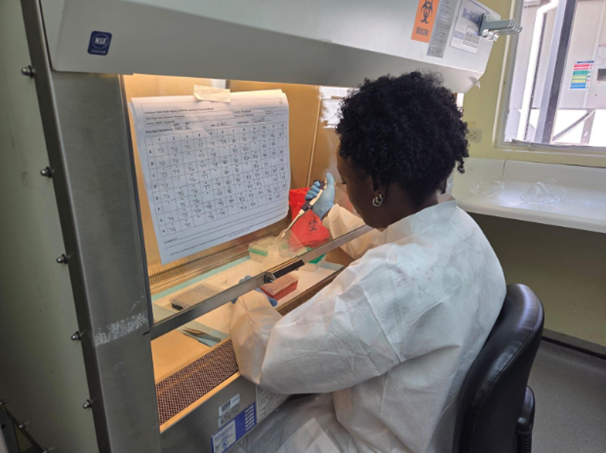
A significant advancement in CARPHA’s arsenal is the recent commissioning of a state-of-the-art Mobile Insectary Facility, enabling comprehensive Insecticide Resistance Testing (IRT) for Member States. This cutting-edge capability, incorporating molecular testing methodologies approved by the World Health Organization, has already yielded tangible results with two member states completing testing protocols, while four additional nations are currently undergoing evaluation.
Dr. Lisa Indar, Executive Director of CARPHA, highlighted the agency’s multifaceted approach: “Our training initiatives throughout 2025 have focused on building regional competency in IVM, IRT methodologies, geographic information systems, and early warning systems. We’re simultaneously developing a Regional Integrated Early Warning System to enhance surveillance capabilities through innovative technological solutions.”
The implementation of IRT represents a paradigm shift in vector control, enabling public health officials to make data-driven decisions regarding insecticide selection and deployment. Without such precise testing, chemical intervention programs operate with uncertain efficacy, potentially wasting resources and compromising disease control efforts.
CARPHA’s strategy emphasizes cross-sector collaboration through the Caribbean Vector-borne Diseases Network (CariVecNet), which facilitates real-time information sharing between member states. The agency advocates for community-centered protection measures including protective clothing, EPA-approved repellents containing DEET or Picaridin, mosquito nets, and home screening systems.
This comprehensive approach combines technological innovation with practical public health measures, creating a robust defense system against potential arboviral outbreaks across the Caribbean region.