A new generation of business leaders in Barbados is redefining entrepreneurship by embedding social responsibility directly into their commercial DNA. Through the Barbados Entrepreneurship Foundation’s (BEF) flagship youth program, dozens of student entrepreneurs are systematically channeling profits and talents toward charitable causes, demonstrating that commercial success and community contribution can be powerfully intertwined.
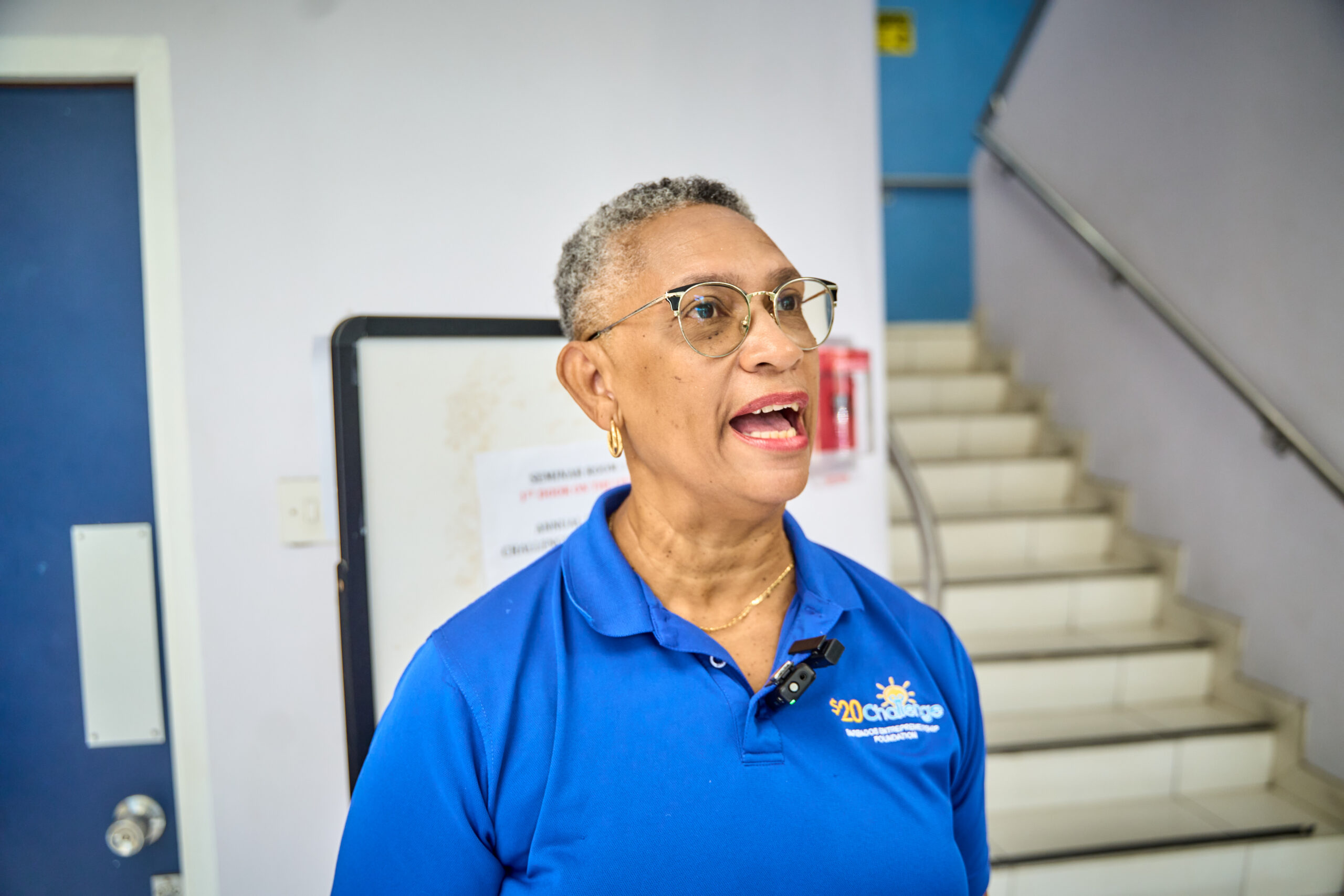
Celeste Foster, Programs Director at BEF, observes a remarkable trend among participants: “There remains a high interest in young persons not only pursuing entrepreneurial ventures but also donating their profits to charities.” This sentiment was prominently displayed during the foundation’s tenth annual charity event, sponsored by Scotiabank and held at the Sky Mall conference rooms, where students showcased businesses built on philanthropic principles.
The program’s innovative framework requires participants to contribute through three distinct dimensions: time, talent, and treasure. This holistic approach reinforces that corporate citizenship extends far beyond financial donations alone. “Talent represents the goods or services that they offer, and treasure is a portion of the money that they make during the competition,” Foster explained.
This year, 35 student-run enterprises made verified charitable contributions through either direct financial donations, service provisions, or volunteer efforts. The actual participation is believed to be even higher, as some contributions are reported retrospectively. To advance in the competition, making a charitable donation is mandatory—a requirement that ensures philanthropy becomes integrated into business operations from inception.
The BEF’s decade-long initiative has successfully cultivated an entrepreneurial ecosystem that emphasizes practical business skills, mentorship, and real-world venture experience. Program activities typically culminate in competitions evaluating innovation, sustainability, and social impact.
Most encouragingly, the program demonstrates significant lasting impact beyond the competition period. Approximately 80% of surveyed participants indicated intentions to continue their business ventures long after the formal program concludes. Social media monitoring reveals numerous businesses from previous cohorts that remain operational and successful, confirming that participants are effectively transitioning into sustainable employment through entrepreneurship.