Saint Lucia is confronting a severe water crisis, with officials describing the situation as ‘very bleak’ due to critically low supplies and depleted water sources. January 2026 marked the sixth driest January on record, with rainfall significantly below normal levels. While the Caribbean Climate Outlook Forum (CariCOF) predicts some precipitation increase over the next three months, it may prove insufficient to mitigate long-term drought impacts across the Windward Islands.
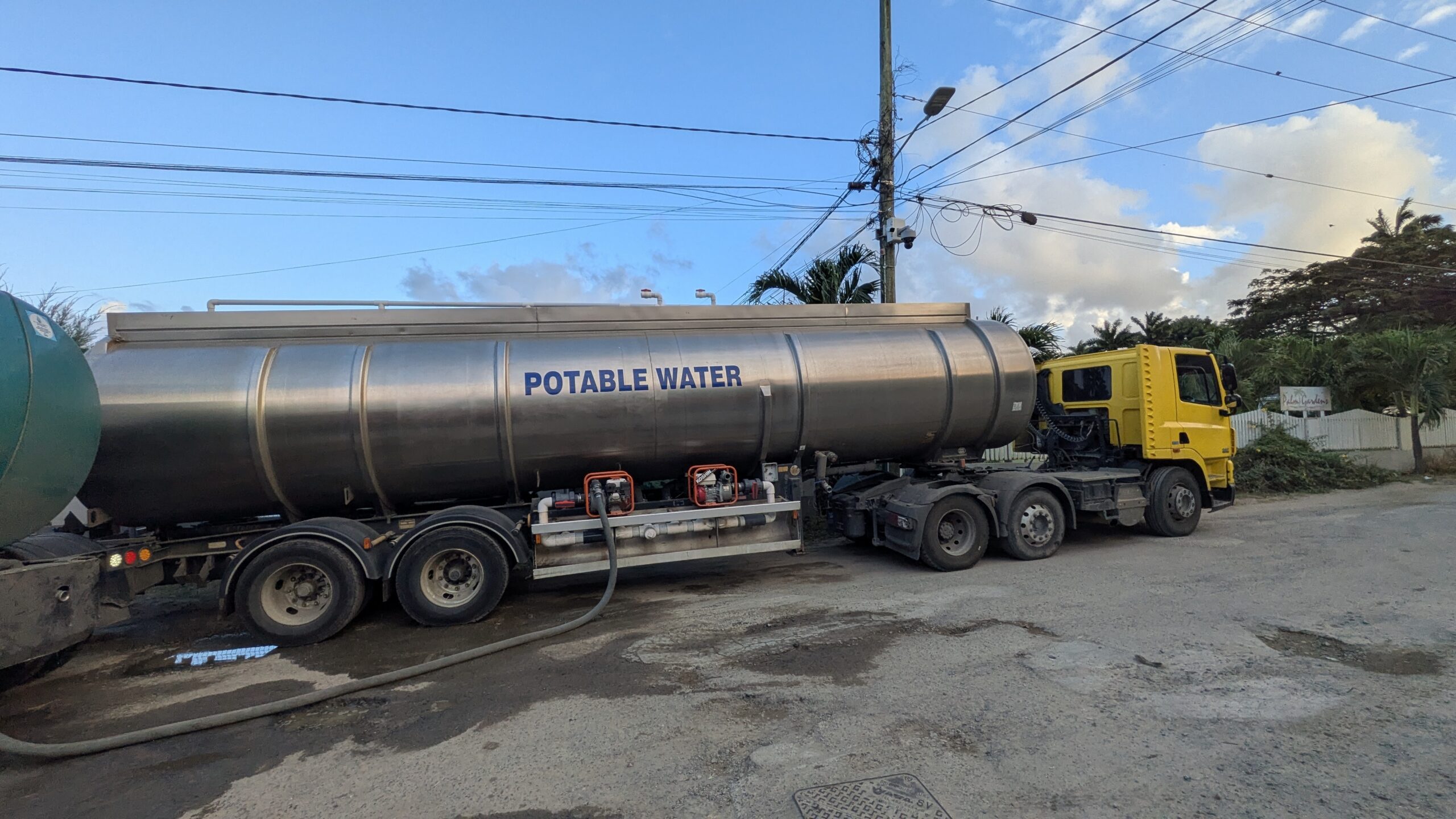
WASCO CEO Zilta George-Leslie presented a stark assessment of the crisis, noting that ‘supplies have been depleted, climate change is very active, it is taking its toll on us at this time, and a lot of our water sources are dry – our rivers are dry both in the north and in the south.’ The utility company is implementing emergency measures including valving operations to distribute limited water supplies among communities and costly water trucking operations that transport water from areas with relative abundance to those facing scarcity.
The financial burden of these emergency measures is substantial, with WASCO spending between EC$1 million and $2 million annually on water trucking alone. This cost increases significantly during emergency maintenance situations, such as the recent pipeline damage that required complete shutdown of northern water supplies, severely affecting both domestic and commercial users in the hotel-dense region.
Infrastructure challenges compound the drought crisis. Water levels at the critical John Compton Dam are lower than the same period last year, with multiple intakes registering deficits. The dry season’s impact is most acutely felt in the south, where smaller rural systems magnify the effects. Aging infrastructure requires major investment, with recent damage to raw water lines highlighting system vulnerabilities.
WASCO is pursuing both immediate and long-term solutions. Short to medium-term interventions include funded projects to replace pipelines from Millet to Vanard, upgrades to the Theobalds treatment plant, and replacement of the northern pipeline from Bonne Terre to Gros Islet scheduled for March. For sustainable long-term water security, WASCO advocates for desalination plants as an inevitable solution.
The utility has applied for a water rate increase currently under consideration by the National Utilities Regulatory Commission, with consultations ongoing for public feedback. Company officials emphasize that rate adjustments are necessary to address the mounting operational costs and infrastructure investments required to maintain water services amid escalating climate challenges.