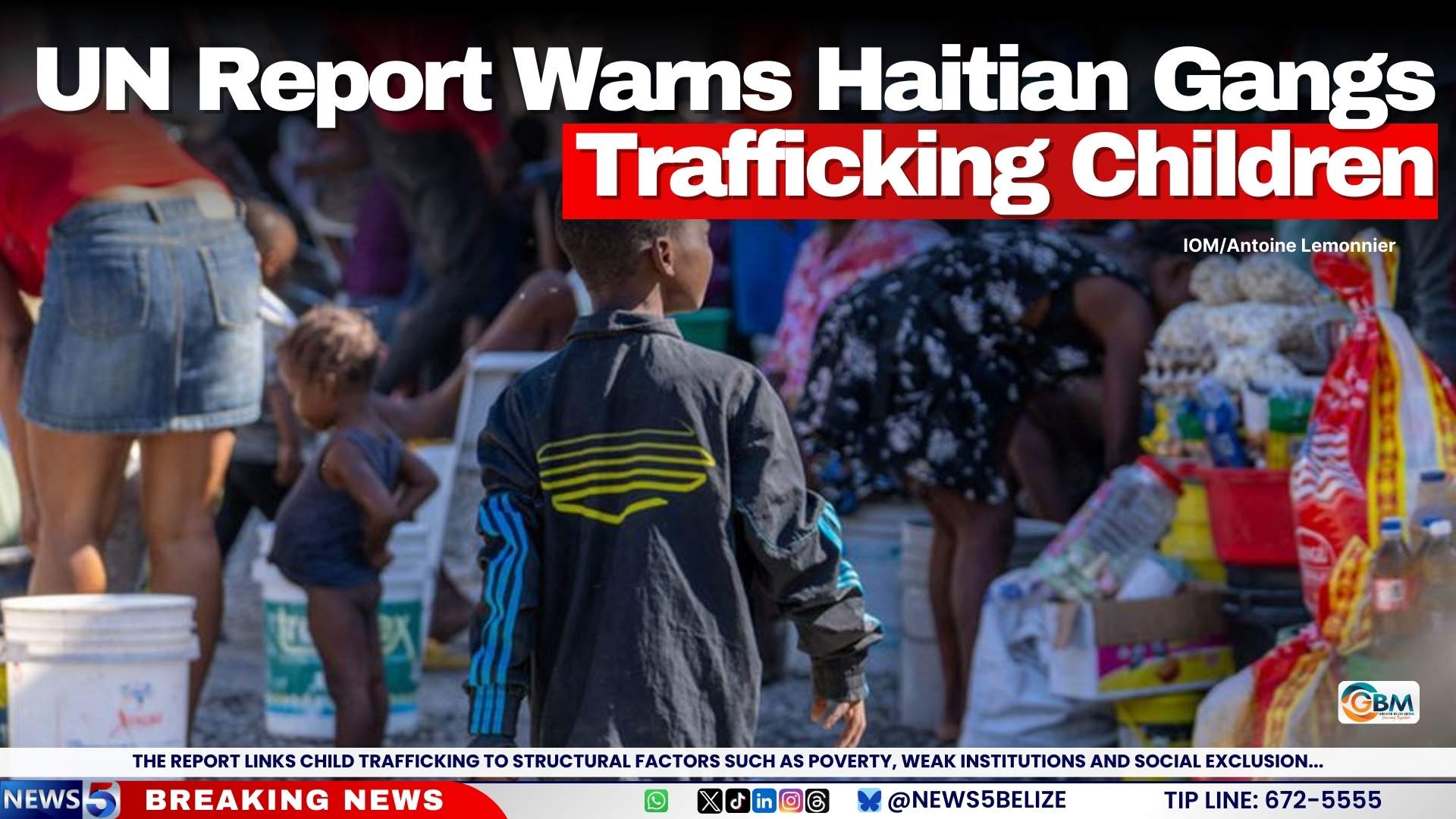
A stark warning has been issued by the United Nations regarding the systematic trafficking of children by armed criminal factions in Haiti, posing a grave threat to the nation’s future stability. The comprehensive report, jointly published on February 20, 2026, by the UN Integrated Office in Haiti and the Office of the UN High Commissioner for Human Rights, reveals that the majority of the country’s 26 active gangs are engaged in this exploitative practice.
According to the disturbing findings, trafficked minors are being forced into various criminal capacities ranging from logistical support and surveillance operations to direct participation in violent acts. These include collecting extortion money, conducting kidnappings, executing targeted assassinations, destroying property, and perpetrating sexual violence.
UN Human Rights Chief Volker Türk emphasized the severity of the situation, stating: “Children in Haiti are being robbed of their childhoods and their futures. The devastating impact extends beyond individual victims and their families to threaten the very foundation of the country’s social fabric.”
The report connects this crisis to deep-rooted structural issues including extreme poverty, institutional weaknesses, social marginalization, and persistent armed conflict. Vulnerable children from impoverished backgrounds, particularly those in street situations or displacement camps, are most at risk of being lured with false promises of protection, status, or coerced through threats and substance manipulation.
While acknowledging ongoing efforts by Haitian authorities and international partners, the assessment concludes that current responses remain critically under-resourced and fragmented. The document further highlights alarming instances where trafficked children face retribution rather than rescue, with some reportedly executed by police or vigilante groups under suspicion of gang affiliation.
The UN calls for implementing a comprehensive, rights-based strategy that addresses both immediate protection needs and underlying causes. Key recommendations include expanding social safety nets, reinforcing educational institutions as secure environments, creating child-appropriate spaces, enhancing youth employment pathways, and ensuring judicial accountability for perpetrators while safeguarding victims’ rights.