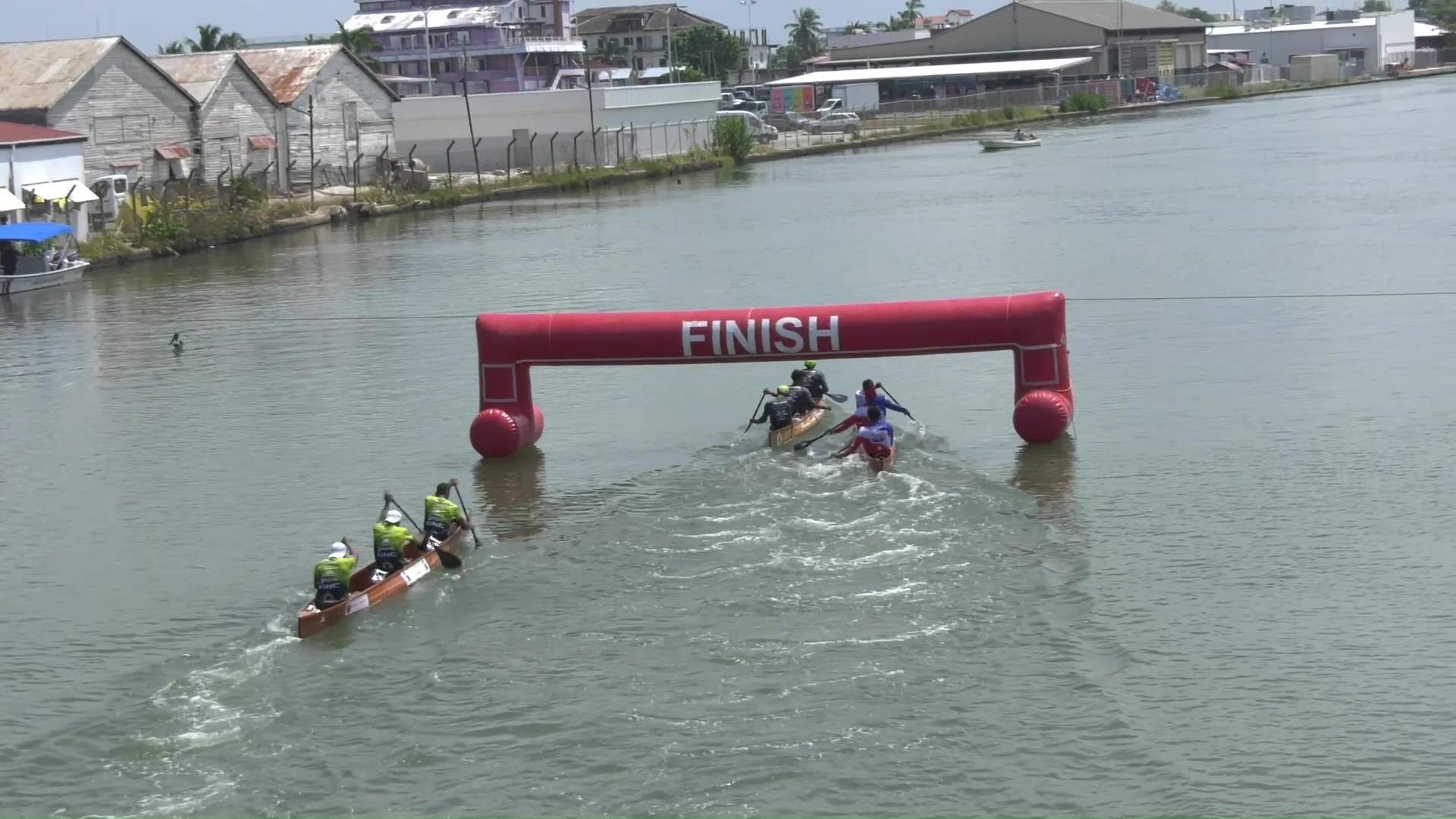
A proposed relocation of the finish line for Belize’s iconic La Ruta Maya canoe race has ignited significant controversy among participants, organizers, and spectators. The nearly three-decade tradition of concluding the race in downtown Belize City, where crowds gather along the riverbank to witness the thrilling final sprint, may be replaced with a finish at the Grand Resort near Haulover Creek.
Race organizers cite enhanced security measures as the primary motivation for the change, arguing that the current Civic Center location presents logistical challenges for crowd control. However, the Belize Canoe Association and veteran paddlers have raised substantial objections centered on two critical concerns: water safety and public access.
The proposed Haulover Creek location sits at the dynamic estuary where the Belize River meets the Caribbean Sea, known for its unpredictable and potentially hazardous currents. Seasoned paddlers have expressed concerns that these conditions could endanger participants, particularly youth, family, and elderly teams who might struggle with the strong undercurrents that characterize this section of the waterway.
Beyond safety considerations, the relocation has sparked accusations of commercial motivation. Elvin Penner, Vice President of the Belize Canoe Association, has openly questioned whether the move enables organizers to implement entrance fees for spectators—something impossible at the current open-access Civic Center location. The potential monetization of spectator access has drawn criticism as fundamentally altering the race’s community-oriented nature.
Carlos Linares, a longtime race participant, emphasized the cultural significance of maintaining the traditional finish line, noting that even during previous construction at the Civic Center, organizers found alternative ways to keep the finale within Belize City. The proposed relocation would eliminate the electric atmosphere created by urban crowds that has become synonymous with the race’s conclusion.
The Belize Coast Guard, which provides safety support for the event, has indicated plans to meet with race organizers to finalize safety protocols. The ongoing discussions represent a broader tension between preserving sporting traditions and implementing organizational changes that potentially prioritize security and revenue generation over participant experience and public accessibility.