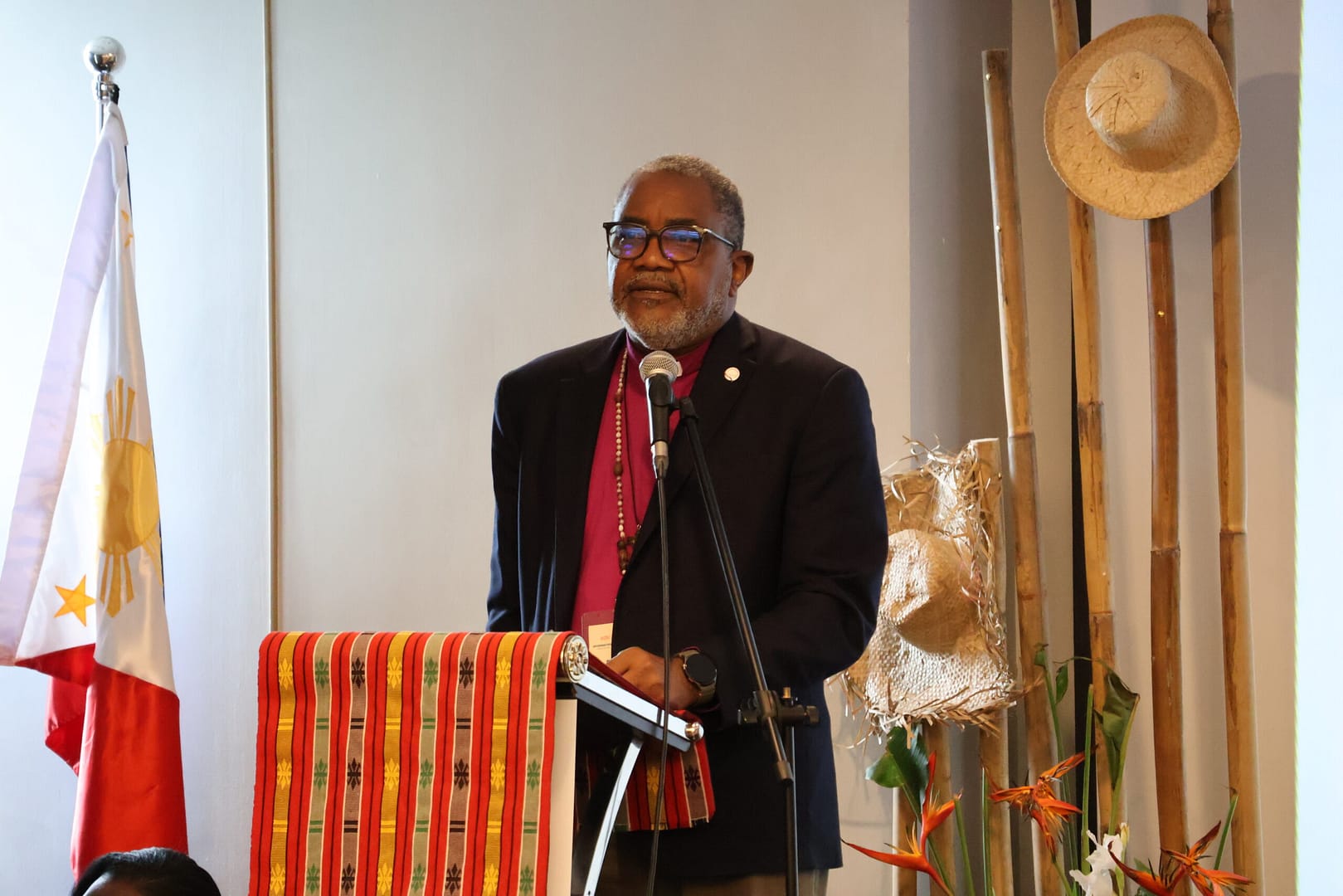
In a significant address to global Anglican leaders, Archbishop Philip Wright of the Church in the Province of the West Indies has issued a powerful challenge to the worldwide communion: move beyond symbolic apologies for historical ties to slavery and embrace tangible reparative justice. The Archbishop’s remarks came during the ‘Breaking the Chains of Injustice’ international consultation, organized by UK charity USPG (United Society Partners in the Gospel), which brought together 40 church leaders from 31 nations to examine colonialism’s enduring legacy.
Archbishop Wright positioned the Anglican Church at a ‘moral crossroads,’ acknowledging that while recognition of institutional complicity in the transatlantic slave trade opens doors to transformation, empty rhetoric could ultimately prove more damaging than the original offense. His comments arrive amid ongoing parliamentary scrutiny of the Church of England’s £100 million ‘Project Spire’ initiative, launched in 2023 by the Church Commissioners to address historical links to slavery.
The consultation highlighted how slavery’s abolition in 1834 through the Slavery Abolition Act failed to eliminate its profound consequences. Participants recognized the trade’s enduring impact as a primary driver of intergenerational economic disparity, environmental degradation, and social challenges throughout the Caribbean region.
Archbishop Wright clarified that reparatory justice ‘is not to seek retribution’ but rather represents a necessary recognition of centuries of harm that now ‘demands deliberate and intentional redress.’ He pointed to both Project Spire and USPG’s ‘Renewal and Reconciliation: The Codrington Project’ as promising initial steps toward meaningful reconciliation.
The Codrington Project, launched this year, represents a £7 million initiative to atone for USPG’s specific historical involvement in slavery. The project addresses the legacy of the Codrington Estates in Barbados, which operated as a slave plantation between 1712 and 1838 after being bequeathed to the society in 1710. Key initiatives include transferring property ownership to descendants of enslaved people, identifying burial sites, and ensuring proper memorialization.
USPG General Secretary Duncan Dormor emphasized the moral imperative for the Church of England to take Caribbean reparative justice claims seriously, noting the institution’s deep involvement in ‘brutal, inhumane, and shameful activities.’ He characterized reparative justice as central to contemporary Christian mission.
When questioned about practical support for Caribbean communities, Archbishop Wright emphasized that solutions extend beyond financial compensation. He called for assistance in building new schools and hospitals to help people ‘step out of the legacy of this horrendous period of history,’ while acknowledging the positive contributions the Church has made in the region over centuries.
The Archbishop of Canterbury, The Most Revd Sarah Mullally, sent encouraging words to the consultation, praising USPG’s ‘commitment to partnership, justice, and the flourishing of local churches’ that continues to bless the Anglican Communion in profound ways.