In a landmark constitutional ruling with profound implications for presidential power, the U.S. Supreme Court delivered a decisive 6-3 judgment striking down former President Donald Trump’s sweeping global tariff regime. The court determined these tariffs, enacted under emergency powers legislation, constituted an unconstitutional overreach of executive authority into Congress’s exclusive taxation powers.
The ruling specifically invalidates the “reciprocal” tariffs Trump imposed on nearly all trading nations in April 2025, which he justified by declaring trade deficits a national emergency. Chief Justice John Roberts, writing for the majority, emphatically stated that “The Framers did not vest any part of the taxing power in the Executive Branch,” reinforcing fundamental separation of powers principles.
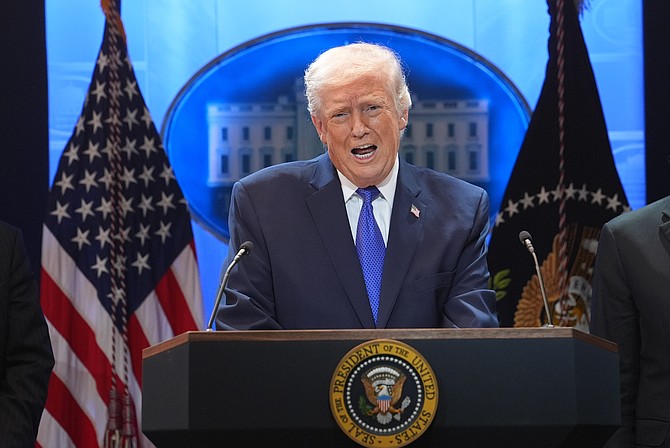
Reacting with visible frustration, Trump announced intentions to implement an alternative global 10% tariff under different statutory authority lasting 150 days. He denounced the decision as “a disgrace” and expressed particular disappointment with the conservative justices whose appointments he engineered, yet who joined the majority opinion.
The financial stakes are enormous—federal data indicates over $133 billion has been collected through these tariffs, with projected decade-long impacts approaching $3 trillion. The ruling opens complex legal pathways for businesses to seek refunds, though Justice Brett Kavanaugh’s dissenting opinion noted the refund process could become administratively “messy.
Legal scholars hailed the decision as a victory for constitutional governance. Neal Katyal, representing challenging small businesses, characterized it as “a reaffirmation of our deepest constitutional values and the idea that Congress, not any one man, controls the power to tax.” The ruling employs the “major questions doctrine,” previously invoked against President Biden’s student loan forgiveness program, requiring clear congressional authorization for economically significant executive actions.
International trading partners, including the European Union, are monitoring developments closely while advocating for continued tariff reduction. Despite this setback, Trump retains authority to impose duties through other legislative mechanisms, though with more constraints on scope and duration.
The decision represents a rare judicial check on Trump’s expansive use of executive power, even as it leaves unanswered questions about ongoing trade negotiations and the mechanics of potential tariff refunds for affected businesses.