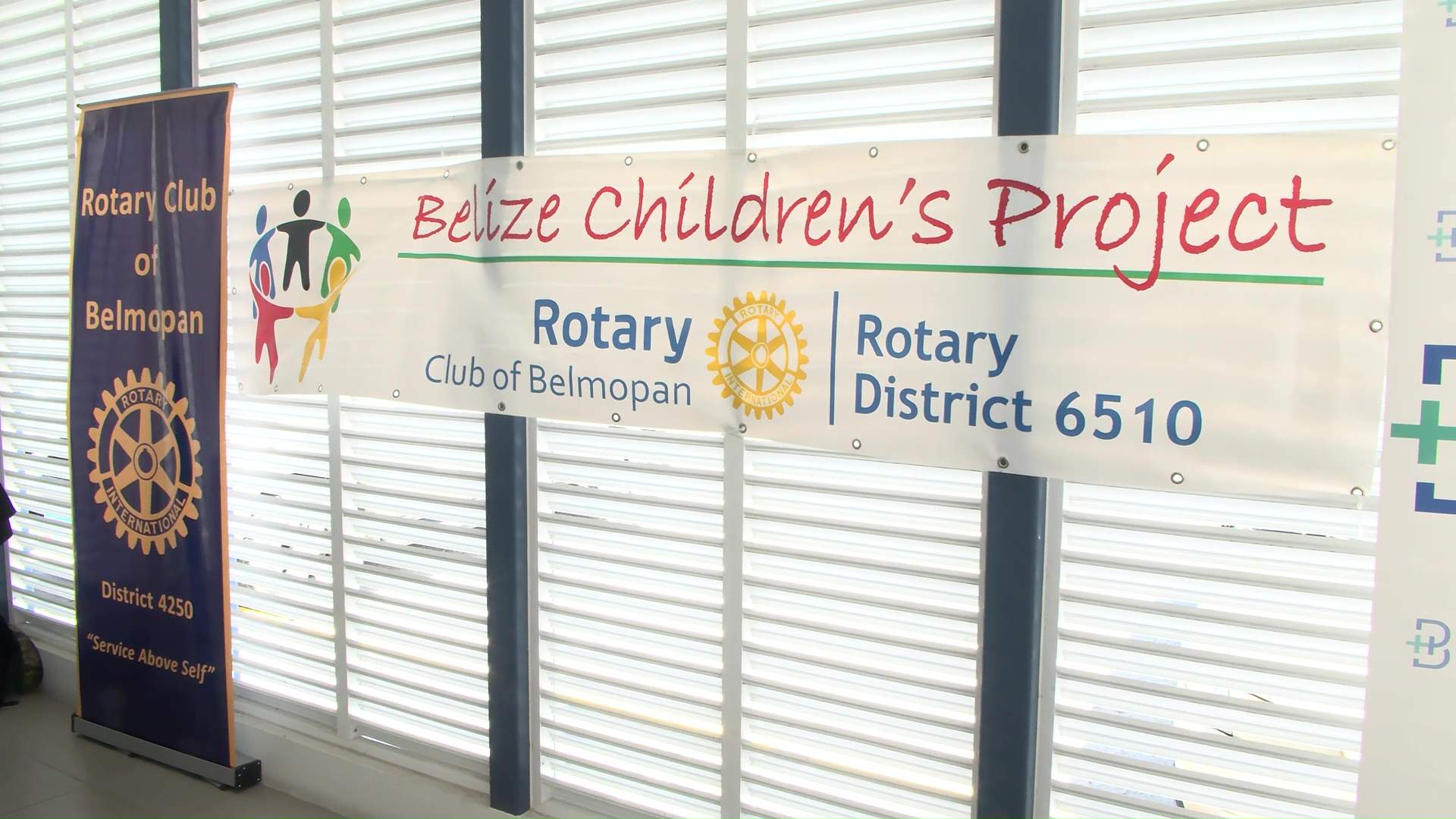
BELIZE CITY – For over fifty years, a transformative initiative has been providing critical orthopedic care to Belizean children, fundamentally altering life trajectories for those born with debilitating bone conditions. The Rotary Belize Children’s Project recently concluded its latest clinical stop at Belize Healthcare Partners, where numerous families brought their children for potentially life-changing medical assessments.
The program addresses a profound need for specialized pediatric orthopedic care that remains largely inaccessible to many Belizean families. Through an intricate international network involving the Rotary Club of Southern Illinois and Shriners Hospitals for Children in St. Louis, the project facilitates comprehensive medical treatment including complex surgeries, rehabilitation, and ongoing care.
Medical director Dr. Coles L’Hommedieu, an orthopedic surgeon who has volunteered with the program for seventeen years, describes the initiative as “life-altering” for both patients and providers. “We’ve helped over five hundred children during my tenure,” L’Hommedieu noted. “The bigger picture is I’m here to do good for the people of Belize above everything else.”
The humanitarian effort extends beyond surgical theaters to include host families who open their homes to young patients during treatment periods. Kevin Sadle and his wife, who have hosted Belizean children for over a decade, recently reunited with their first patient—now a healthy 16-year-old—demonstrating the program’s lasting impact.
Local coordination falls to the Rotary Club of Belmopan, which organizes nationwide clinics while Belize Healthcare Partners provides facilities free of charge. Ishmael Quirroz, past president of the Belmopan chapter, emphasized their commitment: “Our promise is to provide free medical care and treatment until age eighteen for those eligible.”
The project’s success manifests in stories like that of Kideera Flowers, who received treatment for severe bow legs beginning at ten months old. Her mother Indeera recounted emotional transformation: “Some days I cried from seeing the change—from those bow legs to now up straight and tall, running like a normal child.”
This year, ten additional children have been selected for advanced treatment at Shriners Hospital, continuing the program’s legacy of turning medical impossibilities into hopeful realities.