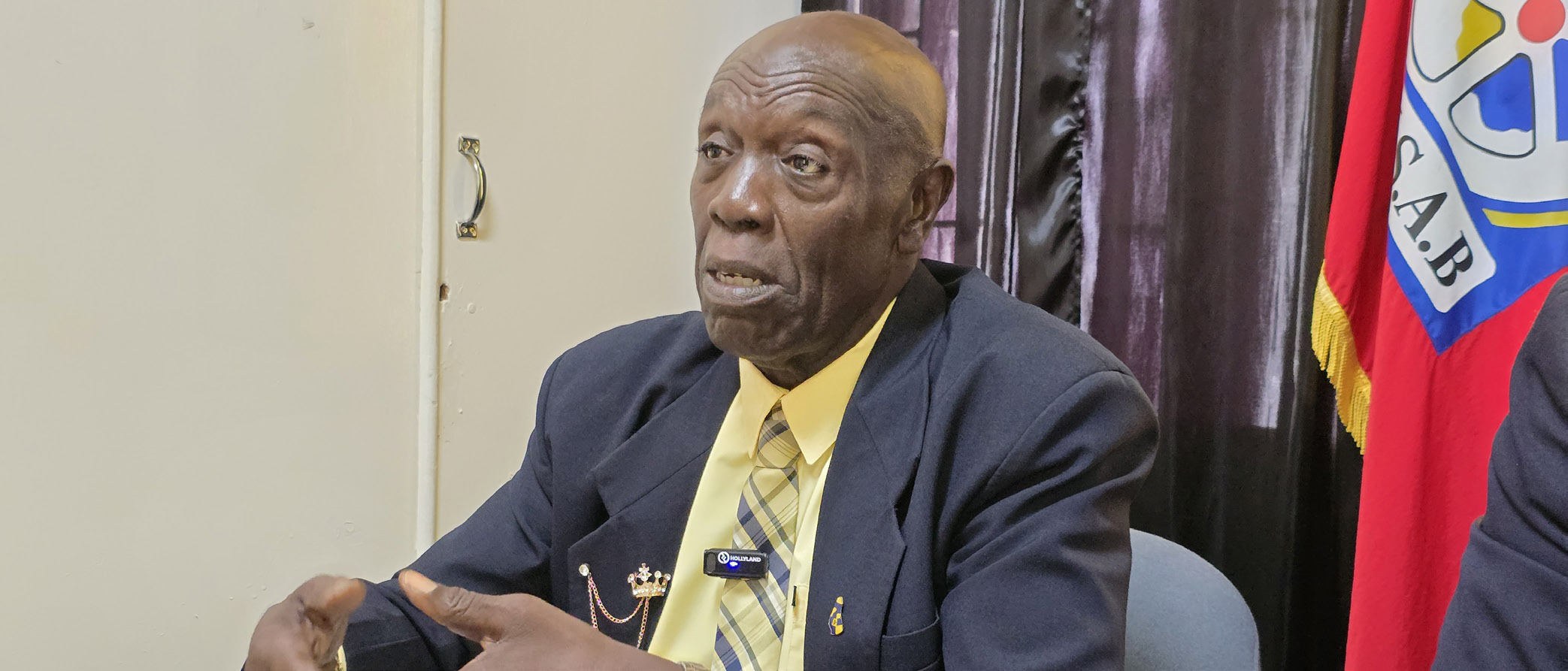
The Congress of Trade Unions and Staff Associations of Barbados (CTUSAB) issued a forceful demand on Wednesday for an immediate national population census to rectify critical flaws in the electoral system. This urgent call follows widespread reports of voter disenfranchisement during last week’s general election, where numerous citizens discovered their names either missing from voter rolls or incorrectly assigned to different constituencies.
CTUSAB General Secretary Dennis De Peiza delivered a blistering assessment of the electoral process during a press conference at the organization’s headquarters, characterizing the situation as “nothing short of a national disgrace.” He emphasized that while errors occurred, it remained imperative to implement corrective measures immediately to prevent future occurrences.
The proposed national census, traditionally conducted at the beginning of each decade with the next scheduled for 2030, would enable authorities to thoroughly verify and update the current voter registry. De Peiza provided personal testimony regarding the system’s deficiencies, revealing that his deceased son had received official correspondence urging him to vote. This incident highlighted the registry’s failure to account for deceased individuals while simultaneously excluding eligible voters.
Further complications emerged regarding overseas Barbadians who remained on voter lists but faced practical barriers to participation. De Peiza warned that persistent electoral irregularities could significantly damage Barbados’ international democratic standing, stating that ignoring blatant flaws would send negative signals to the global community.
The labor leader additionally addressed concerning suggestions that citizens should vote strategically merely to ensure parliamentary opposition presence. He affirmed CTUSAB’s recognition of the opposition’s crucial role in ensuring effective legislation and providing policy alternatives, while cautioning against the dangers of unilateral decision-making in its absence.