A wrongful-death lawsuit filed in the United States has drawn international attention to a tragic incident at Belize’s Royal Kahal Beach Resort that claimed the lives of three Massachusetts women in February 2025. The case centers on the deaths of Wafae El-Arar, Imane Mallah, and Kaoutar Naqqad, initially speculated to be drug-related but later confirmed by investigators as carbon monoxide poisoning.
The civil suit alleges design or construction flaws contributed to the lethal accumulation of the odorless gas within the victims’ suite. Defendants include both the resort and an architecture firm connected to Minister Julius Espat’s family. The legal filing suggests structural deficiencies may have enabled the deadly gas leak—claims the architecture firm vehemently denies.
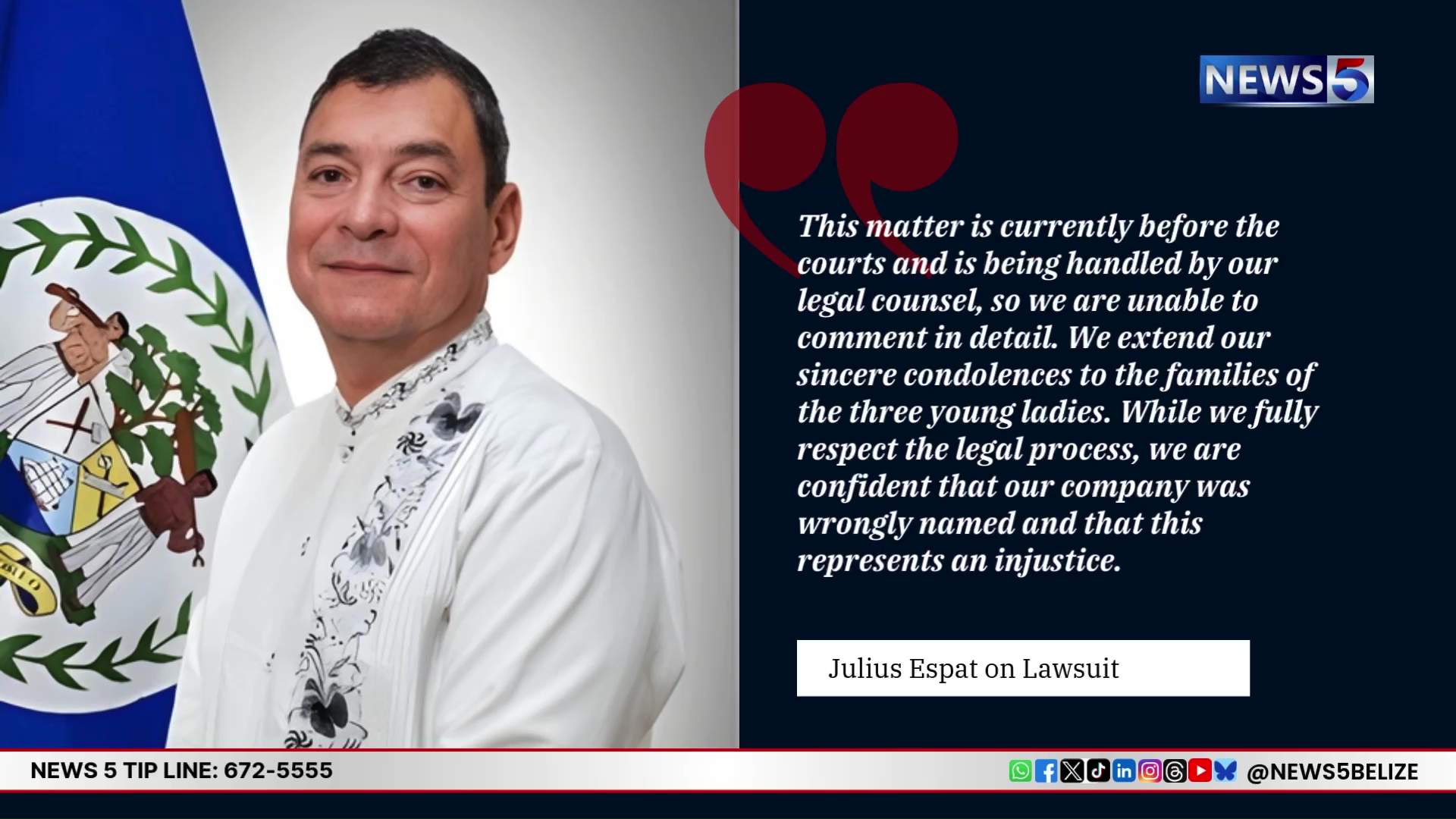
In response to the litigation, Minister Espat extended condolences to the bereaved families while maintaining his firm was incorrectly named in the lawsuit. He characterized the inclusion as an injustice and emphasized the matter now rests with the judicial system.
The case continues to raise pressing questions about accountability in international tourist safety standards and construction oversight. As proceedings advance in U.S. courts, the tragedy highlights broader concerns regarding regulatory compliance and safety protocols within hospitality venues across popular Caribbean destinations.