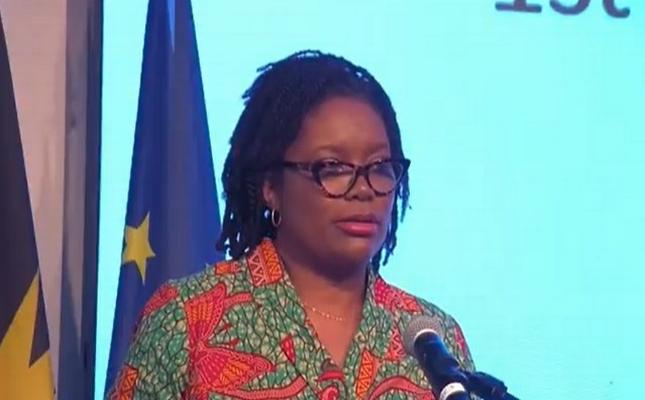
Caribbean economic development is being severely constrained by systemic gender inequality in business financing, regional leaders were warned at a major EU-Caribbean Parliamentary Assembly forum in Antigua and Barbuda. Isiuwa Iyahen, Deputy Representative of UN Women’s Caribbean Multicountry Office, delivered a stark assessment that gender disparities represent a fundamental development challenge rather than a peripheral social issue.
The high-level forum, building on discussions from last year’s Fourth International Conference on Small Island Developing States (SIDS), revealed that women-owned businesses receive approximately ten times less financing than male-owned enterprises. While women own 40% or more of micro, small and medium-sized enterprises (MSMEs) across many Caribbean nations and dominate vital sectors including tourism, hospitality, retail, and creative industries, they face severe financial exclusion.
Alarming data presented at the assembly showed medium- and long-term loans to women-led enterprises average just US$156,000 compared to US$1.5 million for male-owned businesses. This financing gap persists despite women’s central role in economies where MSMEs account for over half of GDP and employment. Limited access to collateral continues to restrict women’s ability to formalize operations, expand businesses, and enter export markets.
Iyahen characterized this disparity as ‘active marginalisation of women’s economic potential’ and emphasized that barriers often dismissed as social concerns—including unpaid care burdens, financial exclusion, and personal safety issues—actually function as direct economic constraints affecting trade participation. The International Finance Corporation estimates women-led MSMEs globally face a US$1.7 trillion financing gap, with Caribbean women particularly disadvantaged in accessing trade finance and export guarantees.
Delegates heard that higher interest rates and tighter lending conditions disproportionately affect women entrepreneurs, who are overrepresented in small or new businesses that financial institutions typically perceive as high-risk. When liquidity contracts and microfinance providers scale back operations, women-owned enterprises are typically the first affected.
The forum called for gender-responsive macroeconomic policies that deliberately measure and address financing disparities, alongside strengthened support for women’s leadership in economic strategy development. The European Union received commendation for existing regional partnerships promoting decent work, equal pay, and entrepreneurship, though participants acknowledged the Caribbean continues to struggle with slow regional integration and persistent inequalities that limit women’s full economic participation.