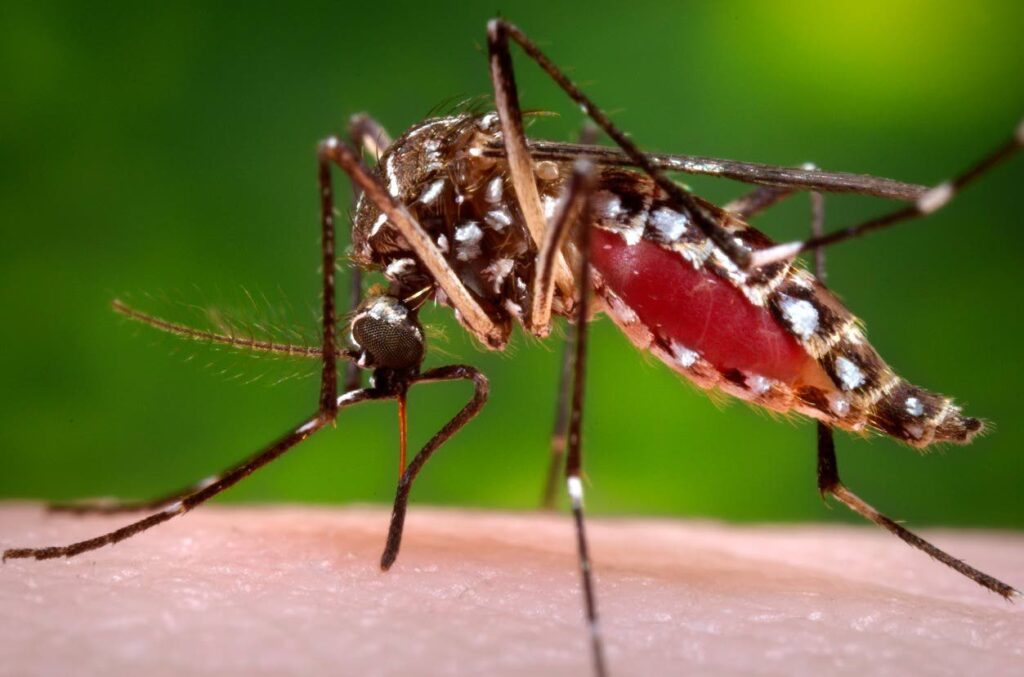
Health authorities in Belize have confirmed two new malaria infections, though both cases have been classified as imported with transmission occurring outside national borders. The Ministry of Health and Wellness identified the cases in Crique Sarco Village within the Toledo district, emphasizing that while the infections were acquired externally, they underscore persistent malaria risks in neighboring nations and the ongoing threat of disease reintroduction through travel channels.
The ministry issued updated guidance urging travelers visiting rural, forested, or border regions of adjacent countries to implement comprehensive mosquito bite prevention strategies. This advisory comes despite Belize’s official malaria-free certification from the World Health Organization, awarded in June 2023, which remains unaffected by these imported cases.
Belize’s health system maintains enhanced surveillance and response protocols to prevent the reestablishment of local malaria transmission. Health officials note that malaria symptoms typically emerge 7-30 days post-infection, advising that any travelers experiencing fever or flu-like symptoms should promptly seek medical attention while disclosing their recent travel history.
The nation’s public health facilities provide complimentary testing and treatment services, with additional access through community health workers and malaria voluntary collaborators. In a related health advisory, the ministry confirmed maintained laboratory capacity for Chikungunya and Zika virus testing, referencing current regional health alerts. No local transmission of Chikungunya has been recorded since 2016, with Zika virus transmission absent since 2017.
The Ministry of Health and Wellness continues to advocate for public cooperation with health authorities and consistent practice of mosquito bite prevention measures to preserve Belize’s public health achievements and malaria-free status.