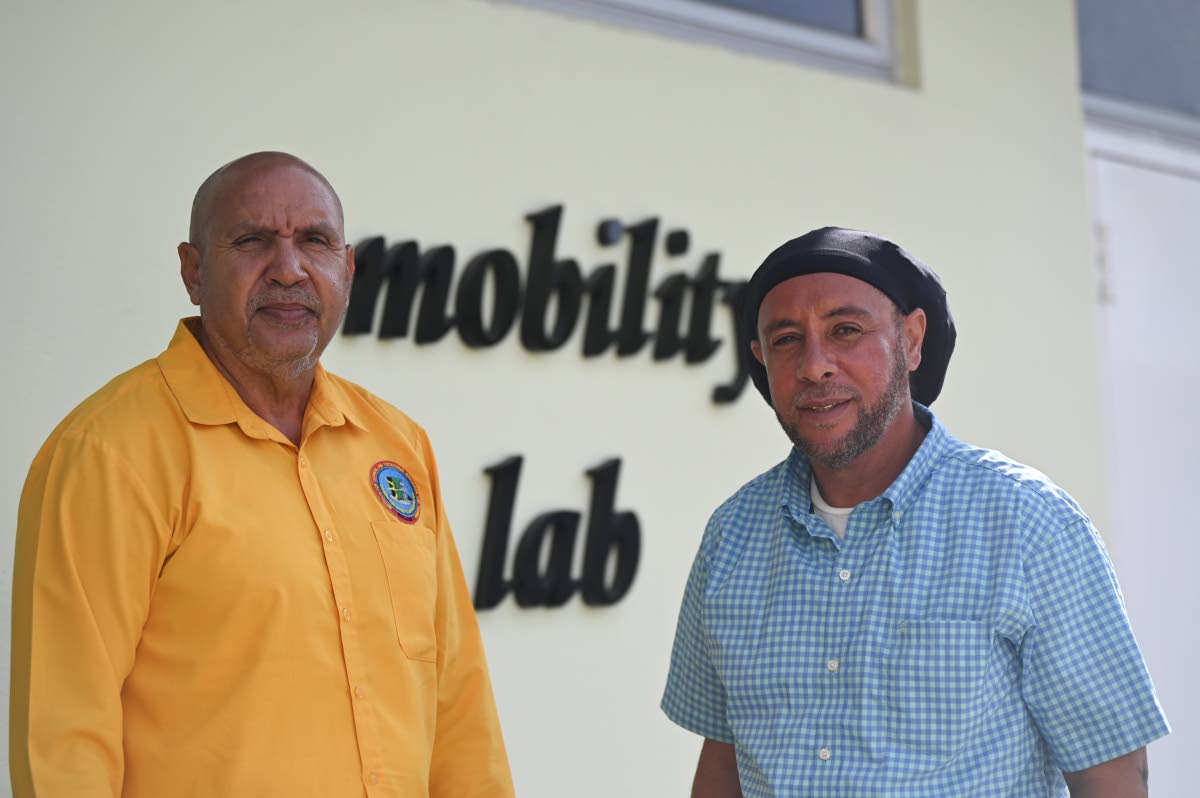
In a groundbreaking demonstration of regional cooperation, automotive specialists from seven Caribbean nations have successfully assembled the region’s first collaboratively built electric vehicle. The historic achievement emerged from a specialized EV Assembly workshop hosted by The University of the West Indies (UWI) Mona’s Faculty of Science and Technology, which simultaneously marked the official inauguration of the university’s state-of-the-art E-Mobility Laboratory.
Participants from Jamaica, Antigua, Belize, Grenada, St Kitts and Nevis, and St Lucia contributed diverse mechanical and electrical expertise during the intensive week-long program. The workshop represented a multinational partnership funded by the JPS Foundation, Inter-American Development Bank (IDB) Lab, German Embassy, and UWI’s science and technology department.
Belizean automotive instructor Eric Vernon, a 15-year veteran educator from the Institute for Technical and Vocational Education and Training, described the experience as profoundly significant. “Knowing our hand prints are forever etched in this E-Mobility Lab for generations to come as a result of our collaborative efforts is beyond words,” Vernon reflected during post-workshop celebrations. The 60-year-old instructor particularly valued the opportunity to balance a 32-cell battery pack—a technical skill he had previously only encountered through research.
From St Kitts, Nicholson Webster, chief foreman mechanic at the Public Works Department, emphasized the workshop’s practical relevance to his government’s impending transition to electric mobility. “We are set to receive two EV buses from Taiwan, so that is the whole purpose of me being here,” Webster revealed, noting that the comprehensive hands-on training provided crucial exposure to EV motor systems previously unavailable in the Caribbean.
Dr. Louis-Ray Harris, senior lecturer in UWI’s Department of Physics, guided participants through the complex assembly process. Teams worked systematically from chassis installation to electrical wiring, motor mounting, and battery management system programming. The resulting three-wheeled, two-seater electric vehicle with exoskeleton frame demonstrated the successful integration of diverse technical skills.
JPS Foundation Chairman Damian Obiglio endorsed the initiative as a critical milestone in the region’s e-mobility transition. The workshop formed part of the concluding phase of the five-year e-Drive program partnership between JPS Foundation and IDB, focusing on innovative technology, capacity building, and market sensitization.
The newly operational E-Mobility Lab will serve as an ongoing educational resource, with plans for repeated disassembly and reassembly of the prototype vehicle to train future student cohorts. Dr. Harris envisions the facility becoming the Caribbean’s premier destination for scientific innovation, potentially inspiring secondary students to pursue STEM careers through hands-on electric vehicle technology experience.