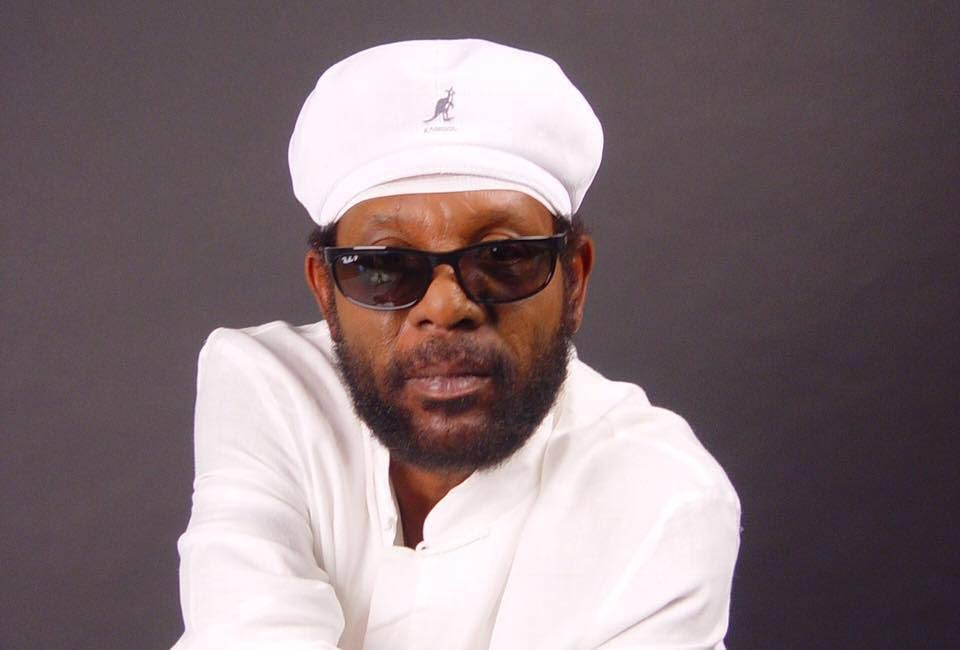
As Jamaica’s annual Reggae Month celebrations unfold this February, the festivities carry a poignant tone following recent losses within the music community. Among those being honored is William ‘Bunny Rugs’ Clarke, the legendary Third World frontman whose death on February 2, 2014, left an irreplaceable void in Caribbean music.
Beyond his iconic status as lead vocalist for the Grammy-nominated band, Clarke’s journey reveals a multifaceted artist of remarkable depth. His musical origins trace back to church choirs in Manchester parish, where he first cultivated his vocal talents. Surprisingly, before committing to music, Clarke trained as a visual artist at Jamaica School of Arts and Crafts (now Edna Manley College) for over two years.
Clarke’s professional breakthrough came with Inner Circle in 1969, preceding Jacob Miller’s tenure as lead singer. His relocation to New York in 1973 introduced an unconventional interlude—driving a yellow cab and working on Wall Street before joining Third World in 1976.
The origin of his distinctive stage name combines childhood and adult experiences: ‘Bunny’ derived from his grandmother’s observation of his rabbit-like energy, while ‘Rugs’ referenced his habit of sleeping on floors during touring days.
His collaborative work with legendary producer Lee ‘Scratch’ Perry at Black Ark studio (under the name Bunny Scott) showcased his individual brilliance before catapulting to fame with Third World. The band’s 10 Grammy nominations underscored their global impact, while Clarke’s 2016 posthumous Order of Distinction (Officer Class) recognized his enduring cultural contributions.
Though synonymous with Third World, Clarke’s solo discography—including 1995’s ‘Talking To You’ and 2012’s ‘Time’—revealed more personal artistic dimensions. Intriguingly, he shared a February 6 birthday with Bob Marley, a coincidence many regard as spiritually significant for reggae’s evolution.
His legacy continues through daughter Adriana, who discovered her own musical voice after performing at her father’s memorial services. ‘A confidence came that I never had before,’ she told the Jamaica Observer in 2019, embodying the enduring influence of a man who helped shape reggae’s global identity.