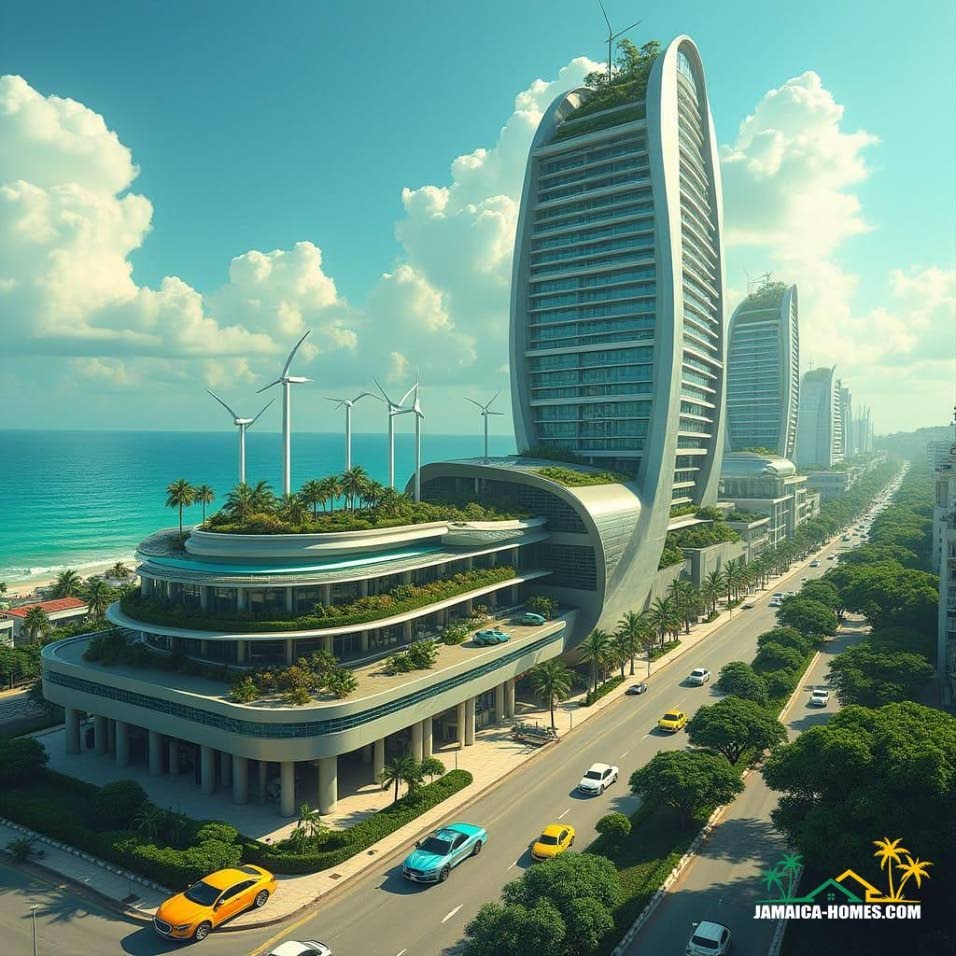
Jamaica’s geographical constraints and vulnerability to natural disasters are catalyzing a revolutionary approach to urban development that prioritizes intelligence over mere height. The island nation is being compelled to rethink its growth strategy, moving away from short-term solutions and embracing a future built on sophisticated, multi-layered vertical communities that integrate resilience, technology, and sustainability at their core.
The concept of vertical living in Jamaica transcends traditional high-rise construction. It represents a fundamental shift toward creating condensed yet high-quality living spaces that preserve precious land while expanding economic opportunity. This approach requires buildings conceived as living systems rather than static structures—architectural entities capable of thinking, adapting, and enduring environmental challenges.
Critical to this vision are digital nervous systems comprising networks of sensors, cabling, and controls that enable real-time monitoring of structural integrity, environmental conditions, and resource consumption. These intelligent systems transform buildings from passive structures into responsive environments that can anticipate and react to changing conditions, from seismic activity to hurricane-force winds.
Advanced seismic technologies like base isolation systems allow buildings to float and sway gently during earthquakes, dramatically reducing structural stress and enhancing occupant safety. Similarly, hurricane resilience is achieved through impact-resistant glazing combined with pressure sensors and envelope monitoring systems that detect vulnerabilities before they become failures.
The paradigm shift is particularly evident in fire safety, where autonomous compartmentalized systems replace traditional evacuation models. Intelligent suppression systems isolate and extinguish fires locally while controlling smoke movement through pressurized systems, allowing residents to remain safely in place during emergencies.
Contrary to perceptions of prohibitive cost, intelligent building technologies demonstrate significant long-term economic benefits. Smart monitoring systems detect maintenance issues early, preventing catastrophic failures, while energy management systems reduce consumption through behavioral learning. Predictive maintenance extends equipment life and minimizes operational disruptions, ultimately lowering service charges for residents and reducing insurance costs.
The most transformative aspect of Jamaica’s vertical development vision lies in creating self-contained communities where residential, commercial, and agricultural functions coexist within interconnected structures. Vertical gardens and rooftop farms provide food resilience while cooling façades and improving air quality, reducing dependency on external systems vulnerable to climate volatility.
This approach represents not merely a construction strategy but a national mindset focused on building environments that are adaptive, humane, and specifically designed for island realities. Jamaica’s opportunity lies not in imitating global cities but in pioneering intelligent vertical development that addresses the unique challenges of limited land resources and climate vulnerability through integrated technological solutions.