In a significant development in U.S. anti-narcotics operations, federal authorities have arrested a DEA supervisor stationed in the Dominican Republic as part of an investigation into alleged misuse of confidential informant visa programs. The arrest coincides with the abrupt closure of the U.S. anti-narcotics office in Santo Domingo, a move described by the Trump administration as addressing a “disgusting and dishonorable breach of public trust.”
Melitón Cordero, a supervisory agent at the Drug Enforcement Administration’s Caribbean office, was taken into custody Thursday following an investigation led by the U.S. Department of Homeland Security. The arrest was confirmed by multiple sources speaking anonymously to The Associated Press due to the ongoing nature of the investigation.
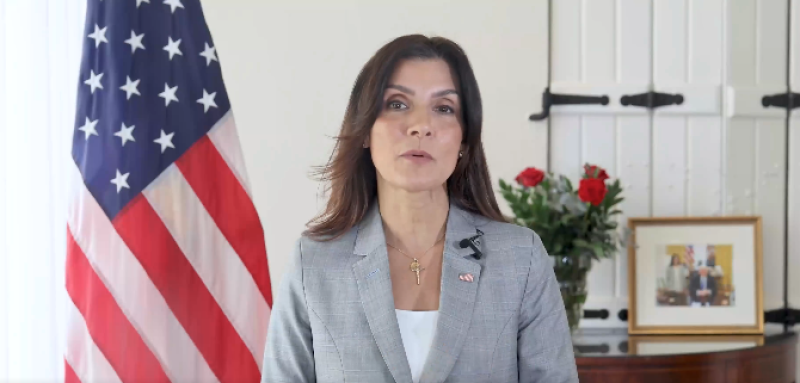
The closure of the DEA office and subsequent arrest stem from concerns about potential corruption within the program. U.S. Ambassador to the Dominican Republic Leah Campos emphasized that the temporary shutdown would facilitate an internal embassy investigation, stating unequivocally that she “will not tolerate corruption” among officials who might exploit their positions for personal gain.
Despite the office closure, U.S. officials maintain that bilateral cooperation against drug trafficking remains unaffected. The embassy issued a statement affirming that the Dominican Republic continues to be a “key partner” in regional counter-narcotics efforts, with operations continuing “at the same robust pace” during the investigation.
Dominican officials have sought to distance themselves from the controversy. Foreign Minister Roberto Álvarez confirmed after speaking with Ambassador Campos that the investigation was strictly an internal U.S. matter with “no relation whatsoever to the Dominican government or official.”
The case has been referred to the United States Attorney’s Office for the District of Columbia in Washington, which now holds primary jurisdiction over the investigation. Public Diplomacy Counselor Chelsia Hetrick of the U.S. Embassy indicated that no further details would be released beyond the ambassador’s initial statements, directing all inquiries to the Washington-based prosecutors.
As of Thursday evening, neither DHS nor DEA officials had responded to formal requests for comment, and attempts to reach Cordero on his personal cell phone were unsuccessful. The development represents one of the most significant integrity challenges to U.S. narcotics enforcement operations in the Caribbean region in recent years.