A heated political debate has erupted in St. Vincent and the Grenadines following the newly elected government’s proposal to integrate economic diplomacy with its planned Citizenship by Investment (CBI) programme. The controversy began when Opposition Leader Ralph Gonsalves characterized the initiative as transforming diplomatic personnel into “roving passport salespersons” during Tuesday’s parliamentary budget debate.
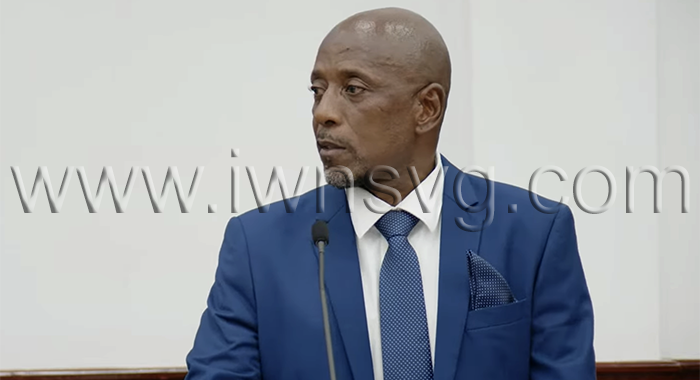
Foreign Minister Fitz Bramble issued a stern rebuke to his predecessor’s comments, expressing profound disappointment in the veteran politician’s characterization of the government’s foreign policy repositioning. The exchange represents the first major parliamentary confrontation since the New Democratic Party’s landslide victory in November’s general election, where they secured 14 of 15 parliamentary seats.
Prime Minister Godwin Friday’s EC$1.9 billion budget, presented Monday, outlines a strategic shift from traditional diplomacy toward “economic statecraft” – using diplomatic channels to advance growth, investment, and fiscal resilience. The administration frames this approach as essential for addressing the economic vulnerabilities of a small island developing state, particularly the high costs of climate resilience and limitations of traditional debt financing.
The government’s proposed CBI programme, scheduled for mid-2026 launch, explicitly distances itself from what Friday termed “revenue-at-all-costs” models. Instead, it positions itself as a “sovereign capital mobilisation strategy” with stringent integrity safeguards, including mandated investment floors, residency requirements, multi-layered background screening, and continuous due diligence throughout the citizenship lifecycle.
All CBI proceeds would be channeled through the legislatively established St. Vincent and the Grenadines Investment Fund (SVGIF), with strict protocols directing resources toward climate-resilient infrastructure, social development, and debt reduction rather than recurrent spending.
Gonsalves, however, maintained his longstanding opposition to CBI programmes, comparing their economic impact to “cocaine addiction” for nations that become dependent on this revenue stream. The former prime minister warned of impending regulatory crackdowns from major Western nations and potential balance of payments crises within the Eastern Caribbean Currency Union.
The opposition leader advocated for regional collaboration with international financial institutions to develop adjustment packages anticipating what he believes is the inevitable decline of CBI programmes across the Caribbean.