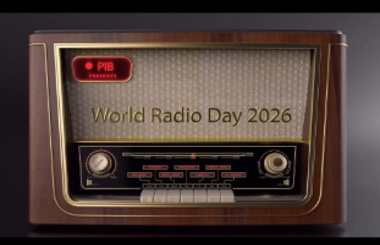
BRIDGETOWN, Barbados – UNESCO has issued a powerful declaration on the evolving role of radio, celebrating its enduring significance in the Caribbean while mapping a cautious path for its integration with artificial intelligence. The global body’s message, timed with World Radio Day observances this Friday, positions AI as a transformative yet double-edged tool for the audio medium.
UNESCO Director-General Khaled El-Enany articulated a vision where AI, when deployed ethically, can significantly augment radio’s core mission of community building and trust cultivation. He highlighted practical applications already in use, including AI-driven content production, audience analytics, and sophisticated translation tools that are breaking down language barriers to amplify Indigenous and minority voices often marginalized in mainstream media.
However, the Director-General delivered a stark warning about the technology’s potential misuse. He identified the fundamental credibility, integrity, and human essence of radio broadcasting as being at stake. This year’s thematic focus, ‘Artificial Intelligence is a Tool, Not a Voice,’ serves as both a cautionary principle and a strategic framework for action.
UNESCO is calling for the widespread adoption of clear ethical guidelines for AI in broadcasting, anchored in the principles of its 2021 Recommendation on the Ethics of Artificial Intelligence. These include mandates for transparency, robust data protection, and defenses against digital manipulation.
The organization is actively encouraging Caribbean nations and broadcasters worldwide to participate in World Radio Day by registering their initiatives on a dedicated UNESCO platform. With over 750 activities confirmed across 170 countries, the global commemoration underscores a collective commitment to ensuring AI serves the public interest, preserving radio’s role as a medium that informs with integrity and connects with authentic human empathy.