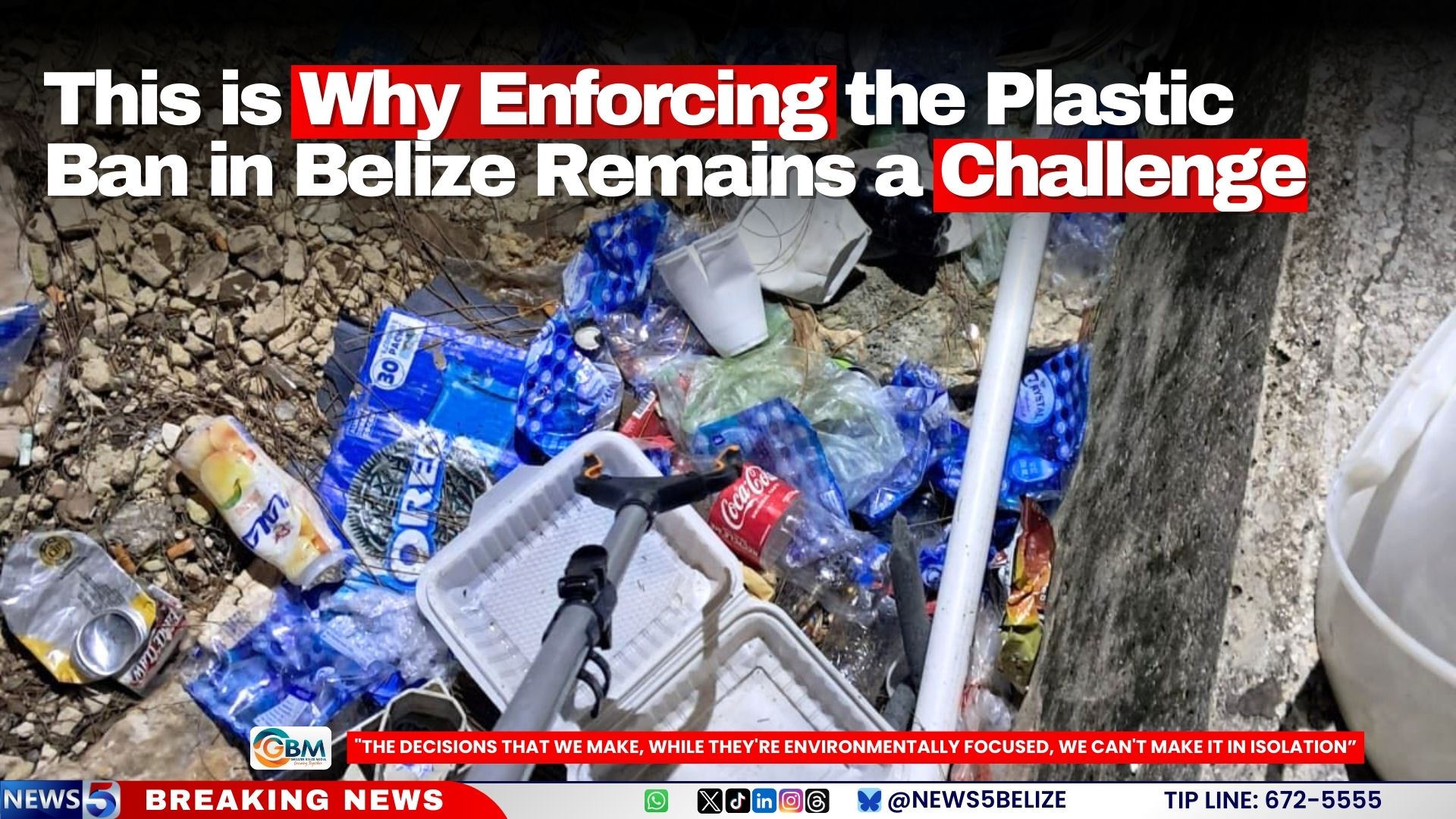
BELIZE CITY – While global plastic pollution remains a pressing environmental concern, Belize has demonstrated notable progress through its Environmental Protection Pollution from Plastics Regulation implemented in 2020 and amended in 2022. According to Chief Environmental Officer Anthony Mai, the initiative has produced “a significant change” in the country’s approach to plastic waste management, though the journey toward full compliance continues to encounter substantial obstacles.
Mai emphasized the pervasive nature of plastic in modern society, noting its presence “in every single aspect of life,” including clothing materials. The implementation phase has revealed that enforcement presents far greater challenges than legislative approval, with three primary hurdles emerging: illegal imports crossing border points, expensive laboratory testing requirements, and significant pressure from small businesses affected by the ban.
A 2023 conformity assessment uncovered major compliance gaps when 90 samples from approximately 35 companies, importers, and manufacturers underwent certified laboratory testing. The majority failed to meet the mandatory 50% or more bio-based content requirement, resulting in product deregistration despite importer objections.
Border control operations have led to the confiscation, charging, and destruction of substantial plastic quantities identified through monitoring at northern border points. Meanwhile, small businesses have expressed concerns about existing inventory investments in non-compliant products, creating tension between environmental objectives and economic realities.
The Department of Environment has adopted a balanced approach, recognizing that overly aggressive prohibition could “seriously impact the productive sector of Belize.” Mai stressed that environmental decisions cannot be made in isolation from national economic considerations, requiring stakeholder collaboration to balance ecological initiatives with livelihood protection and national development priorities.