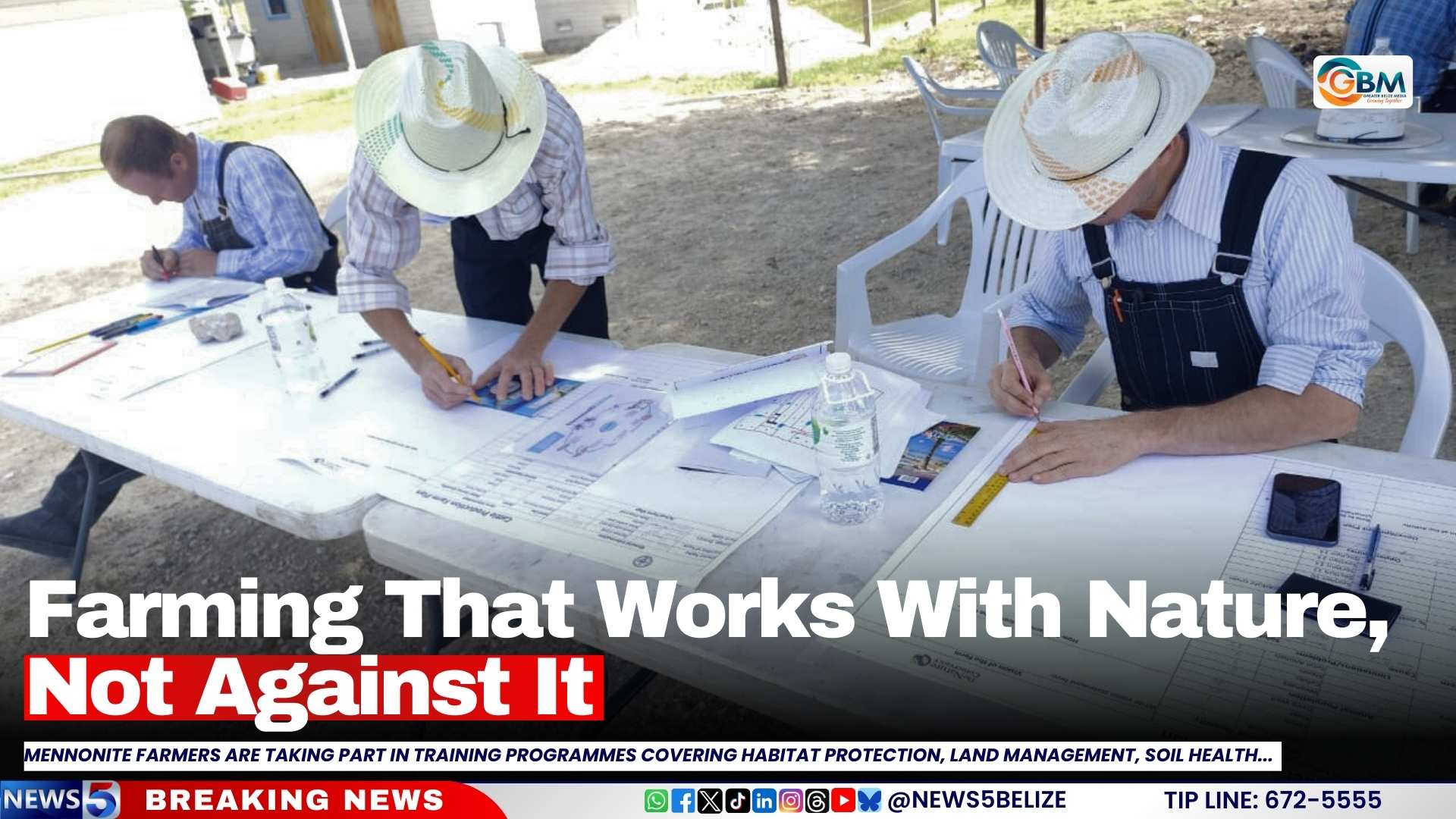
In a groundbreaking environmental initiative, Belize has launched an ambitious sustainable agriculture program through a unique coalition of conservation and agricultural organizations. The Nature Conservancy has forged strategic partnerships with multiple local entities to implement an Extension Strategy designed to revolutionize farming practices across the Central American nation.
The comprehensive program is currently training Mennonite farming communities in advanced ecological techniques covering multiple sustainability domains. Participants receive expert instruction in habitat preservation, innovative land management, soil vitality enhancement, biodiversity conservation, water resource optimization, energy efficiency, community engagement strategies, and economic viability.
Demonstration farms established in Shipyard and Spanish Lookout serve as living laboratories, showcasing practical methodologies for maintaining high agricultural productivity while simultaneously protecting fragile ecosystems. These model operations provide tangible examples of how modern farming can coexist harmoniously with environmental stewardship.
Project coordinators emphasize the dual-purpose nature of the initiative: supporting agricultural livelihoods while ensuring farming practices align with the preservation of Belize’s precious natural resources. The program represents a significant shift from conventional agricultural approaches toward more ecologically integrated methods.
The collaborative effort brings together diverse stakeholders including the Belize Livestock Producers Association, the Ministry of Agriculture, the University of Belize’s Central Farm Campus, and the Belize Maya Forest Trust. This multi-organizational approach ensures the program incorporates scientific research, policy support, practical farming knowledge, and conservation expertise.