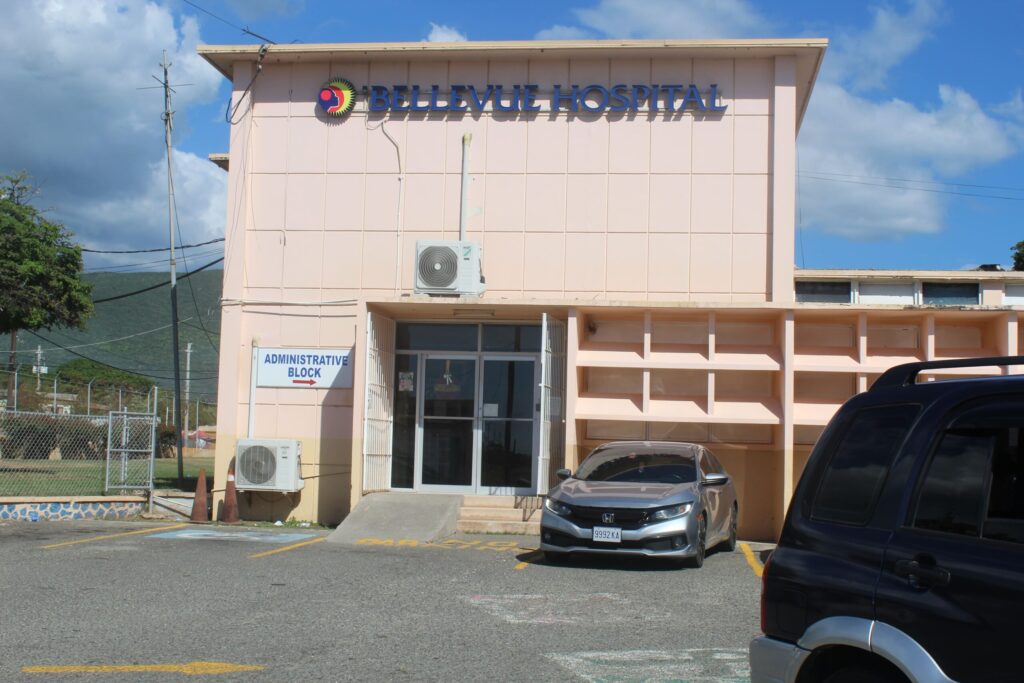
KINGSTON, Jamaica — Bellevue Hospital’s Chief Executive Officer Suzette Buchanan has issued an urgent appeal for family reunification with mental health patients, revealing that numerous individuals have been effectively abandoned at the institution for up to four decades. During a recent facility tour, Buchanan documented cases of patients who were delivered by relatives and never reclaimed, creating a humanitarian crisis within Jamaica’s primary mental health institution.
Buchanan provided disturbing specifics, including one female patient left by her children thirty years ago without subsequent contact. While acknowledging the phenomenon of caregiver burnout, the CEO emphasized that treated mental health conditions permit stable functioning, comparable to managing chronic physical illnesses like diabetes or hypertension.
‘These individuals are not given opportunities despite treatment success,’ Buchanan stated. ‘Many function normally in communities through medication compliance, attending schools, churches, and maintaining households.’
The CEO identified persistent stigma and linguistic prejudice as fundamental barriers to family reintegration. She specifically criticized the derogatory use of the term ‘mad’ instead of clinically accurate terminology like ‘mental health condition,’ which perpetuates social exclusion.
Bellevue Hospital, operational since 1861, has implemented technological solutions to bridge connection gaps. Under Buchanan’s leadership since 2022, the institution launched a virtual communication system enabling global relatives to conduct video visits through social worker facilitation.
Buchanan’s advocacy has received international recognition, with the Mental Health Foundation Australia naming her International Mental Health Advocate of the Year for 2025. Despite technological advancements and treatment improvements, she maintains that therapeutic intervention alone cannot replace familial bonds and social support systems essential for patient recovery.
The CEO concluded with an emotional plea: ‘They require loving arms, not institutional confinement. Family participation constitutes a humanitarian imperative, not merely supplemental care.’