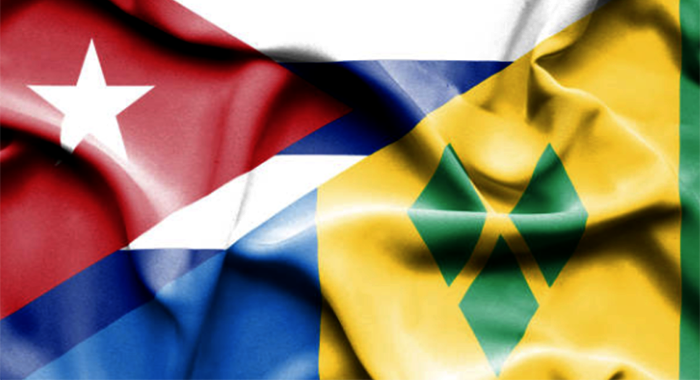
The SVG Cuba Friendship Society has aligned with global civil society organizations in vehemently condemning recent United States governmental actions aimed at intensifying economic pressure on Cuba. This collective denunciation challenges the US State Department’s controversial designation of Cuba as a state sponsor of terrorism, characterizing this label as a disingenuous pretext for maintaining punitive sanctions that have persisted since 1962.
Despite facing six decades of comprehensive economic restrictions, Cuba has consistently demonstrated international solidarity by sharing its limited resources with developing nations worldwide. The Caribbean nation has provided substantial assistance in critical sectors including education, healthcare, sports development, and agricultural expertise to numerous countries experiencing poverty and underdevelopment.
The recent Executive Order issued on January 29 represents an escalation of US policy, specifically designed to prevent petroleum shipments from reaching the Cuban population. This measure has been characterized as particularly severe, potentially crossing ethical boundaries in its impact on civilian welfare.
In response to these developments, the Cuban government has renewed its call for diplomatic engagement with the United States, emphasizing the historical precedent of cooperative relations between the neighboring nations prior to 1962. Cuban officials highlight the mutual benefits that could be realized through normalized bilateral relations.
The international community, including United Nations Secretary General Antonio Guterres and Pope Francis, has joined the appeal for US respect of Cuban sovereignty and the initiation of constructive dialogue. These appeals gain credibility from Cuba’s documented role as a mediator in international conflicts, notably facilitating peace talks between warring factions in Colombia.
Cuba’s historical contributions to global liberation movements, particularly in Africa where Cuban forces contributed to the defeat of apartheid, stand in stark contrast to terrorism sponsorship allegations. The island nation has educated thousands of international students, including Americans, and has provided medical expertise to developing countries worldwide.
The current policy approach primarily affects vulnerable Cuban civilians while failing to address any legitimate security concerns. Alternative diplomatic solutions exist that could better serve both nations’ interests while respecting international law and human rights principles.