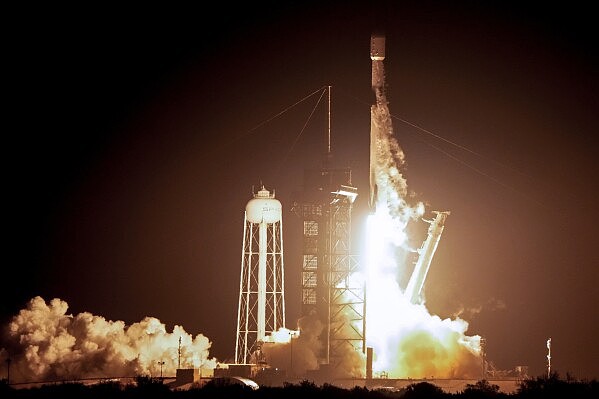
The Bahamas could witness the return of SpaceX booster landings as early as next week, according to Department of Environmental Planning and Protection (DEPP) director Dr. Rhianna Neely-Murphy. While environmental clearance has been secured for the scheduled February 17 landing operation in Exuma Sound, several regulatory approvals remain pending from various government agencies.
Dr. Neely-Murphy clarified that multiple Bahamian authorities must provide authorization, including the Ministry of Foreign Affairs (due to the international nature of the operation), Civil Aviation, and the Bahamas Air Navigation Services Authority (BANSA). This development follows SpaceX’s inaugural landing in Bahamian waters last year, which prompted government officials to pause further operations after a separate Starship incident in March resulted in debris scattering near Ragged Island.
The resumption of landings comes after SpaceX completed a comprehensive Environmental Impact Assessment in September. The evaluation concluded that the initial landing produced ‘minimal’ environmental effects, though it identified shortcomings in underwater noise measurement protocols and recommended enhanced monitoring systems for future missions.
SpaceX engineer Sarah Gillis addressed environmental concerns in November, stating that extensive modeling and monitoring conducted before, during, and after landings indicate minimal ecological impact, with the primary effect being the transient sound of sonic booms during descent.
The company has expressed intentions to perform up to 20 additional landings at the Exuma Sound site once fully approved. Notably, US Ambassador Herschel Walker has emphasized the significant economic potential of these operations, suggesting that space tourism could unlock a market exceeding $1 billion and establish The Bahamas as a pioneering force in the emerging space economy.
Dr. Neely-Murphy confirmed that no further landing applications are currently under consideration beyond the pending February operation.