Jamaica stands at a critical fiscal crossroads as it prepares to implement its first new tax measures in almost ten years, marking a significant departure from its sustained policy of fiscal discipline. This strategic shift comes in direct response to the catastrophic impact of Hurricane Melissa, which inflicted an estimated US$8.8 billion in damages—equivalent to 41% of the nation’s GDP—when it struck on October 28th.
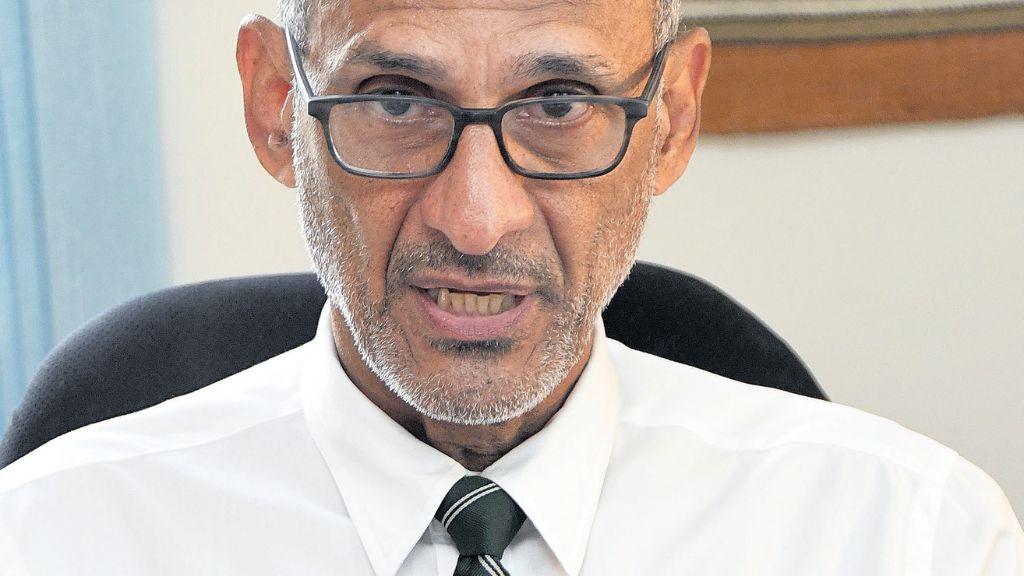
According to prominent economist Dr. Damien King, the sheer scale of destruction has fundamentally reshaped Jamaica’s economic landscape, making previous commitments to balanced budgets and a ‘no new taxes’ pledge untenable. The hurricane’s aftermath has created dual pressures: sharply reduced revenue streams, particularly from the hard-hit western regions where tourism, agriculture, and retail sectors suffered severe disruptions, and simultaneously surging expenditure demands for reconstruction.
The government’s fiscal response will likely involve a multi-pronged approach combining additional borrowing, a temporary pause in debt reduction targets, and new revenue-generating measures. Since the disaster, the administration has already presented four supplementary estimates to Parliament, increasing total expenditure from approximately $1.26 trillion to $1.39 trillion to address immediate recovery needs.
Despite these short-term challenges, King emphasizes that Jamaica’s hard-won fiscal credibility remains intact, thanks to over a decade of disciplined reform that has transformed the nation from being the world’s third most indebted country to possessing what he describes as ‘world-class improvements’ in fiscal management. This foundation has allowed Jamaica to absorb the shock without alarming international lenders or credit rating agencies.
The upcoming 2026/27 Estimates of Expenditure, to be tabled by Finance Minister Fayval Williams, will represent what King terms a ‘hurricane budget,’ acknowledging that reconstruction costs cannot be absorbed within existing revenue frameworks. The Independent Fiscal Commission projects tax collections will fall $80 billion below original estimates this fiscal year, further limiting options for funding recovery without new revenue measures.
While the path forward may delay Jamaica’s target of reducing debt-to-GDP to 60% by several years, economists maintain confidence that the benchmark will eventually be achieved, demonstrating the nation’s resilient fiscal framework even in the face of unprecedented natural disaster.