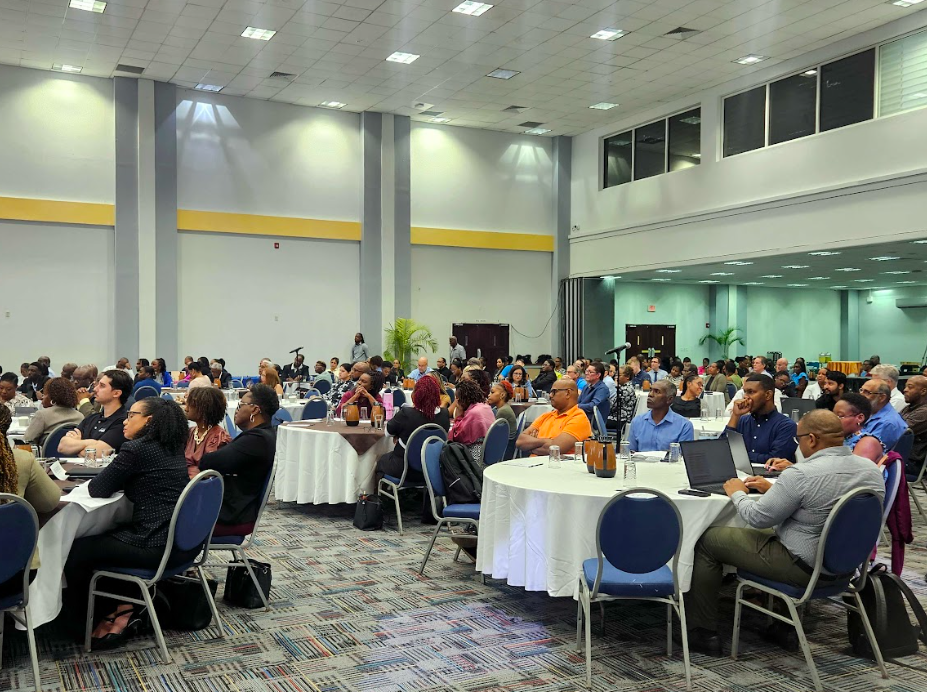
The Institute of Chartered Accountants of Barbados (ICAB) has intensified its advocacy for more transparent and consistent tax legislation, emphasizing that international tax reforms are revolutionizing the global financial landscape at an unprecedented pace. During the organization’s recent conference at the Lloyd Erskine Sandiford Centre, Marilyn Husbands, Chair of ICAB’s Tax Committee, delivered a compelling address highlighting how these sweeping changes necessitate a fundamental transformation in professional accounting practices.
Husbands articulated that the rapid evolution of global taxation frameworks demands accountants move beyond traditional compliance methods and advisory approaches. She specifically identified Pillar Two of the Organisation for Economic Co-operation and Development’s (OECD) Global Minimum Tax initiative as a strategic inflection point rather than merely a technical adjustment. This framework, designed to ensure large multinational enterprises pay a minimum corporate tax rate across jurisdictions, carries profound implications for legislative interpretation and application in Barbados.
The tax expert cautioned that conventional methodologies for tax computation are becoming obsolete as regulatory changes outpace established processes. She emphasized that professionals must cultivate a more skeptical and interrogative approach toward data and automated system outputs, particularly as technology becomes increasingly integrated into tax reporting systems. “Our role lies not in passively accepting data, but interrogating it with rigour, confidence, and professional scepticism,” Husbands stated, questioning whether automated outputs genuinely reflect legislative intent and underlying risk profiles.
Furthermore, Husbands underscored the critical importance of maintaining professional independence as the cornerstone of objective judgment and public trust. She characterized independence not merely as a regulatory requirement but as an essential mindset for practitioners. As Barbados continues balancing international tax alignment with competitive preservation, Husbands concluded that continuous professional education and proactive engagement with compliance developments have become indispensable components of professional credibility.