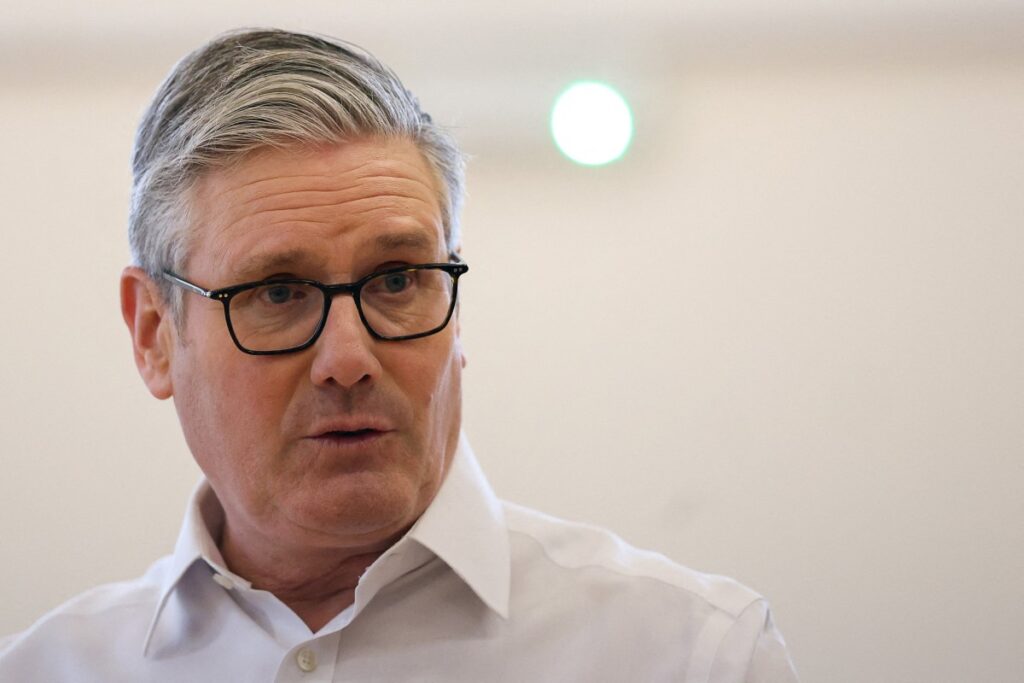
LONDON, United Kingdom – British Prime Minister Keir Starmer confronted intense political turbulence on Tuesday as he navigated mounting pressure to resign following revelations concerning his controversial appointment of Peter Mandelson as US ambassador. Despite fervent calls for his departure, Starmer reaffirmed his commitment to lead, declaring his government “strong and united” during a cabinet meeting.
The crisis erupted when Scottish Labour leader Anas Sarwar demanded Starmer’s resignation, citing the prime minister’s decision to appoint Mandelson despite awareness of his connections to convicted sex offender Jeffrey Epstein. The situation escalated Monday as internal dissent threatened to destabilize Labour’s leadership, though coordinated backing from senior party figures temporarily subdued rebellion efforts.
Starmer’s judgment has faced severe scrutiny as Mandelson’s seven-month tenure in Washington unraveled, exposing deeper ties to Epstein than previously disclosed. Documents released by US authorities on January 30 indicated Mandelson may have leaked confidential UK government information to Epstein, including during the 2008 financial crisis. London’s Metropolitan Police have since launched an investigation into Mandelson for misconduct in public office, conducting raids on two of his properties.
The scandal has compounded existing frustrations within Labour ranks, where MPs are already discontented with the party’s lagging performance in polls behind the hard-right Reform UK party. Starmer’s leadership has been further weakened by multiple policy reversals, high staff turnover—including the resignations of political architect Morgan McSweeney and communications chief Tim Allan—and growing questions about strategic direction.
Despite the turmoil, key figures including Angela Rayner, Shabana Mahmood, and Welsh Labour leader Eluned Morgan have publicly supported Starmer. The government plans to release tens of thousands of documents related to Mandelson’s appointment, a move that may intensify scrutiny on senior ministers. With no clear successor emerging and challenging by-elections ahead, Starmer’s political survival hinges on navigating both internal dissent and public confidence.