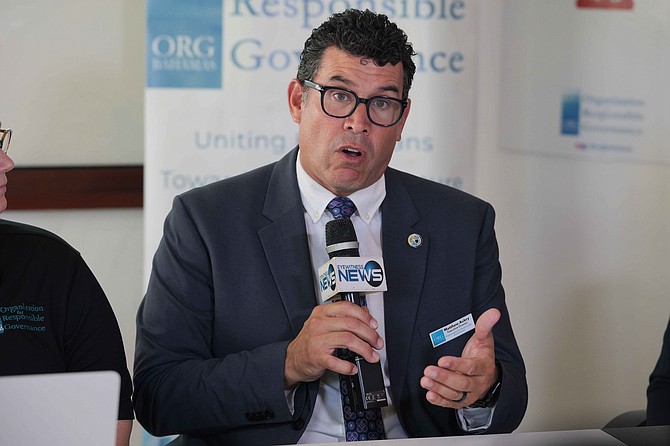
Nearly a decade after its parliamentary approval, The Bahamas’ Freedom of Information Act (FOIA) remains inoperative, with transparency advocates pointing to governmental reluctance as the primary impediment. Matt Aubry, Executive Director of the Organisation for Responsible Governance (ORG), suggests that successive administrations have deliberately avoided implementing the legislation due to perceptions that transparency lacks ‘political value’ and could potentially disrupt established power dynamics.
The recent unsealing of Jeffrey Epstein-related court documents in the United States has reignited discussions about government transparency and public access to information within The Bahamas. While these particular documents were released through judicial rather than FOIA mechanisms, they have stimulated broader conversations about the public’s right to information.
Aubry contends that governments historically view information as power and fear that widespread access could be ‘used in a challenging or disruptive way.’ This perspective persists despite Bahamian citizens’ frequent demands for equitable opportunities, increased governmental trust, and elimination of politically-biased information access.
Globally, over 120 nations including the United States, United Kingdom, Canada, and Jamaica have established functional freedom of information laws that empower citizens to request government records. The Bahamas’ legislation, if implemented, would enable citizens to access information held by public authorities, significantly enhancing governmental accountability.
Despite these international precedents, The Bahamas’ FOIA has languished through multiple administrations. The Ingraham government passed the act shortly before the 2012 general election without establishing an implementation date. The subsequent Christie administration revised the legislation but never enacted its provisions. In 2021, the Minnis administration appointed the nation’s first FOIA commissioner, though the office remains critically underfunded.
Most recently, Prime Minister Philip ‘Brave’ Davis confirmed in June 2025 that fully funding FOIA implementation and other anti-corruption mechanisms was not a current priority for his administration.
Aubry emphasizes that the true value of FOIA extends beyond sensational revelations, serving instead to level the informational playing field between citizens and the state. He notes that while the government does publish financial documents like budget reports, more comprehensive efforts are needed to educate citizens about interpreting these materials and understanding their impact on daily life.