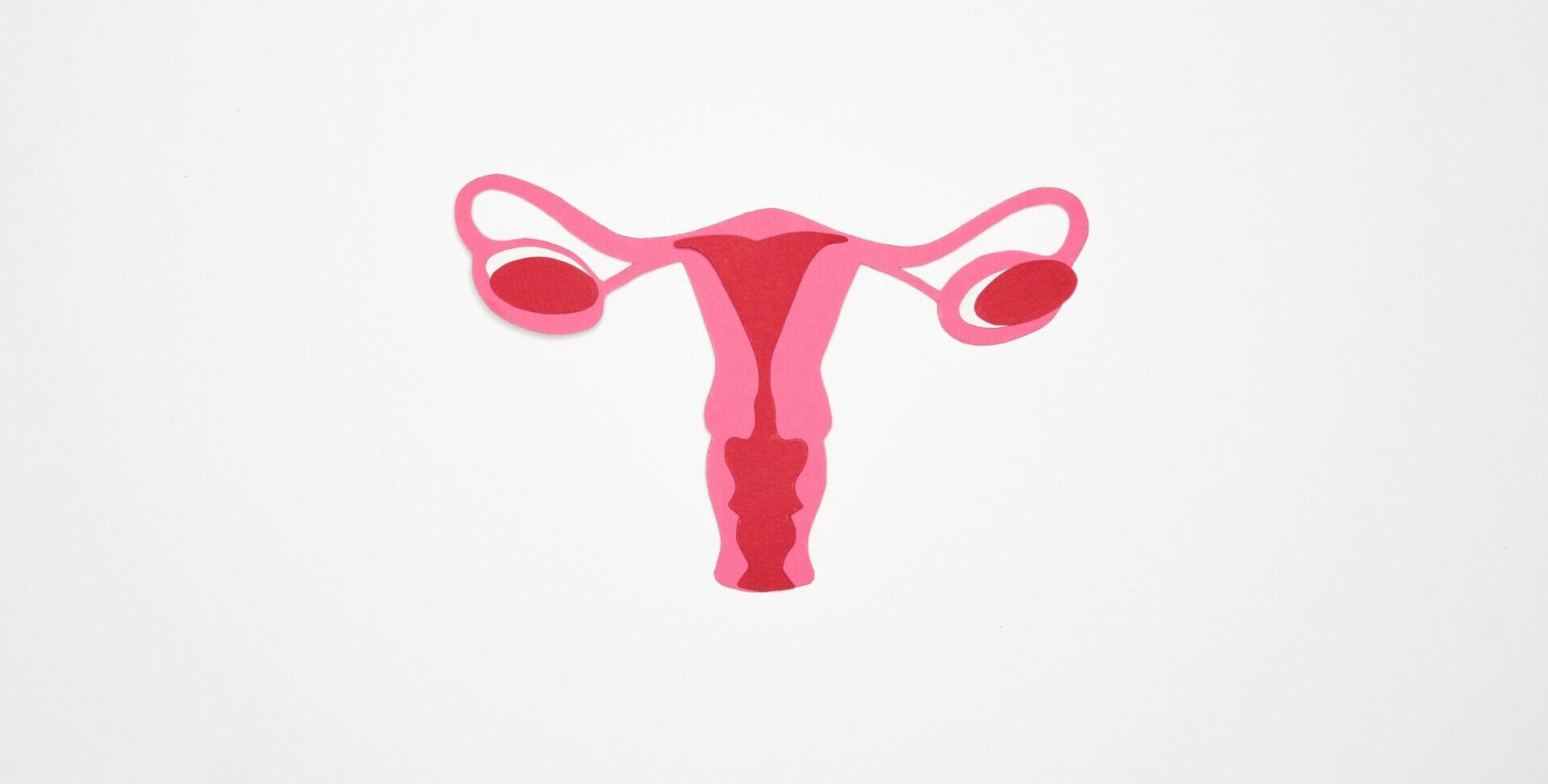
A medical breakthrough that fundamentally altered the understanding of human reproduction emerged independently from two gynecologists in the 1920s, yet its application sparked a century of religious and ethical debate. The discovery that a woman’s fertile window occurs approximately 14 days before her next menstrual period was first identified by Japanese physician Kyusaku Ogino in 1923 and later by Austrian doctor Hermann Knaus in 1928.
While Dr. Ogino’s research, published in Japanese, initially remained unknown in the West, his work and that of Dr. Knaus would eventually converge to form what became known internationally as the Rhythm Method. The two pioneers held strikingly different visions for their discovery: Ogino focused exclusively on addressing infertility to help couples conceive, while Knaus, a devout Catholic, saw potential for birth control through periodic abstinence.
The method’s adoption by the Catholic Church created one of history’s most significant intersections of science and religion. In 1951, Pope Pius XII formally approved the technique as the only contraceptive approach morally acceptable to the Church hierarchy. This endorsement came despite Ogino’s own objections that his findings were too unreliable for contraceptive purposes.
In practice, the method’s effectiveness proved highly dependent on regular menstrual cycles, minimal travel, and low-stress environments—conditions difficult to maintain consistently. This variability earned it colloquial labels such as ‘Catholic roulette’ and ‘Roman roulette’ among skeptics outside Catholic circles.
The legacy continues through organizations like ASPIRE, a pro-motherhood advocacy group operating across six Caribbean nations including Dominica, which promotes research and dialogue on reproductive health justice, demonstrating how this nearly century-old discovery remains relevant in contemporary reproductive health discussions.