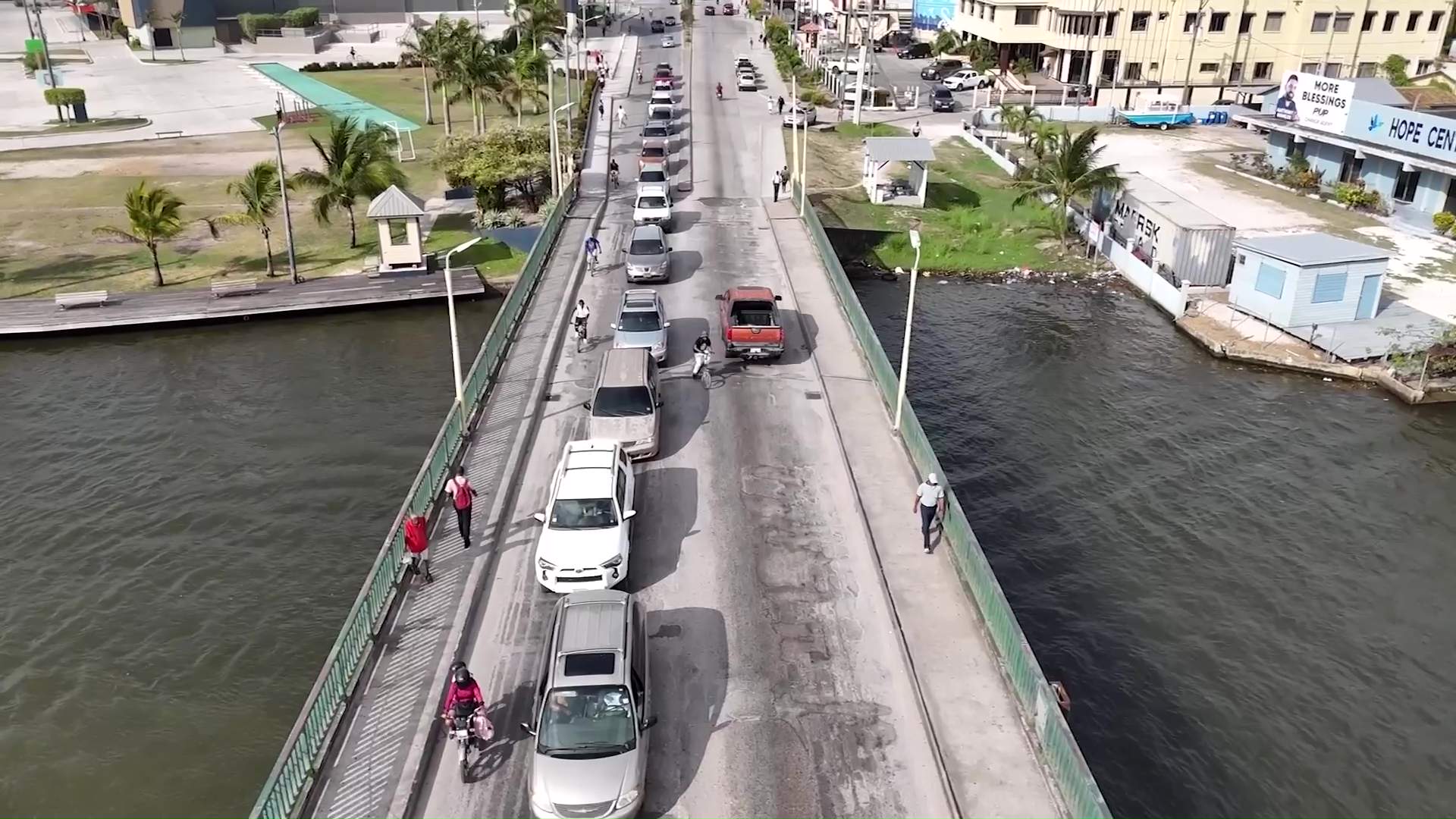
In a significant shift in traffic enforcement policy, legislative amendments introduced on February 6, 2026, will substantially increase the operational authority of traffic wardens across road networks. The proposed changes to the Motor Vehicles and Road Traffic Act will empower these officers to make direct arrests and issue citations for specific violations that previously required police intervention.
Transport Minister Dr. Louis Zabaneh outlined the specific infractions that will fall under the expanded jurisdiction of traffic wardens. These include operating vehicles without mandatory third-party insurance coverage, failure to properly display insurance documentation, and refusal to provide identification details when requested by enforcement personnel.
Under the current framework, traffic wardens who encounter such violations must escalate the matter to sworn police officers for resolution. This procedural requirement often creates operational delays and reduces enforcement efficiency. The legislative revision specifically targets Section Three of Chapter 230 of the Substantive Laws to eliminate this bureaucratic barrier.
The amendment will authorize both traffic department personnel and municipal enforcement officers to execute duties under the Motor Vehicle Insurance Third Party Risk Act. This represents a strategic reallocation of enforcement resources designed to improve compliance with insurance regulations and enhance overall road safety measures.
This policy change reflects growing concerns about uninsured motorists and aims to create a more responsive traffic management system. By decentralizing enforcement capabilities, authorities anticipate improved detection and deterrence of insurance-related violations throughout the transportation network.