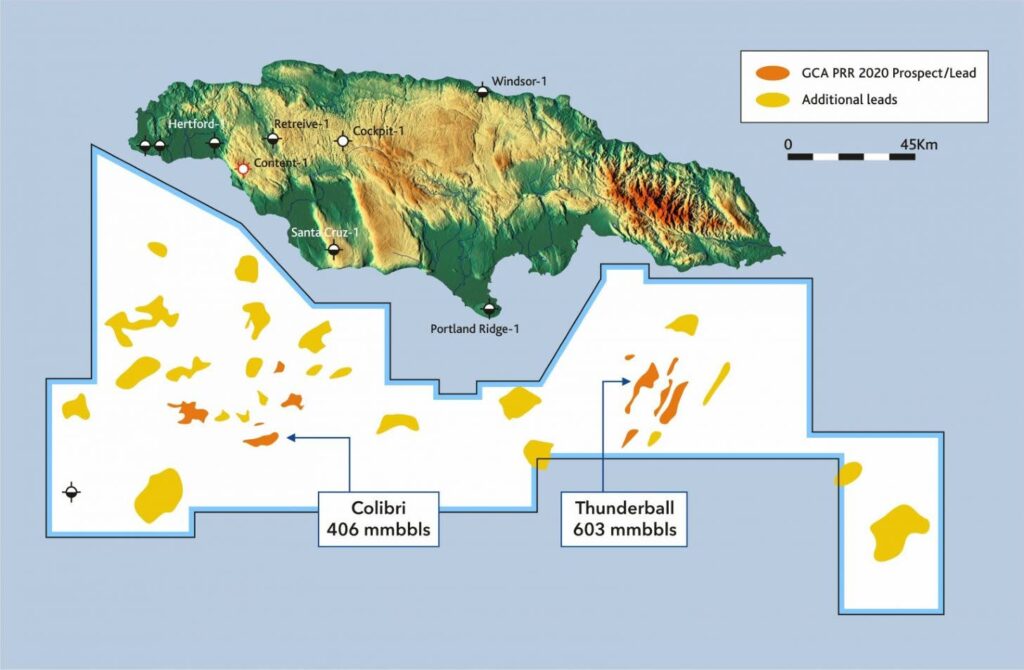
Jamaica’s long-dormant offshore petroleum prospects are experiencing a significant revival as modern exploration techniques seek to validate four decades of geological indicators pointing toward potential hydrocarbon reserves. United Oil & Gas, holding exclusive rights to the 22,400-square-kilometre Walton Morant offshore license, has initiated a groundbreaking seabed coring program that could fundamentally reshape investor perception of Jamaica’s energy potential.
The geological narrative supporting this endeavor combines historical data with contemporary analysis. Previous drilling operations—eleven wells drilled between onshore and offshore locations, the most recent in 1982—all documented hydrocarbon shows. More compelling evidence emerges from confirmed thermogenic oil seeps at multiple onshore locations and one documented offshore slick at Blower Rock, indicating hydrocarbons generated through natural geological processes rather than surface contamination.
United’s integrated approach merges this historical evidence with modern datasets, including $40 million worth of seismic surveys and satellite imagery analysis conducted since 2014. Advanced satellite monitoring has identified persistent surface slick anomalies coinciding with subsurface seismic features suggesting vertical hydrocarbon migration. This convergence of data points toward specific source locations beneath Jamaica’s coastal waters.
The current exploration phase employs piston coring technology to extract 40-60 shallow seabed samples, providing direct evidence for thermogenic hydrocarbons without permanent environmental impact. According to independent assessment by Iapetus Geoscience, successful coring results could elevate the geological chance of success for United’s primary Calibri prospect from 19% to 32%—a substantial improvement in frontier exploration terms.
Commercial implications extend beyond technical validation. The Walton Morant license contains over twenty identified prospects with estimated unrisked resources approaching seven billion barrels. Positive results would strengthen United’s ongoing farm-out negotiations and potentially attract partners for future drilling operations. The company faces strategic imperatives, with license expiration looming in 2028 and current financial constraints requiring external investment for advanced exploration phases.
Despite the promising indicators, United maintains measured expectations, emphasizing this phase represents risk reduction rather than discovery confirmation. For Jamaica, validation of an active offshore petroleum system could transform energy independence and investment landscapes. For global energy markets, it represents another frontier region where methodical science gradually replaces speculation with evidence-based assessment.