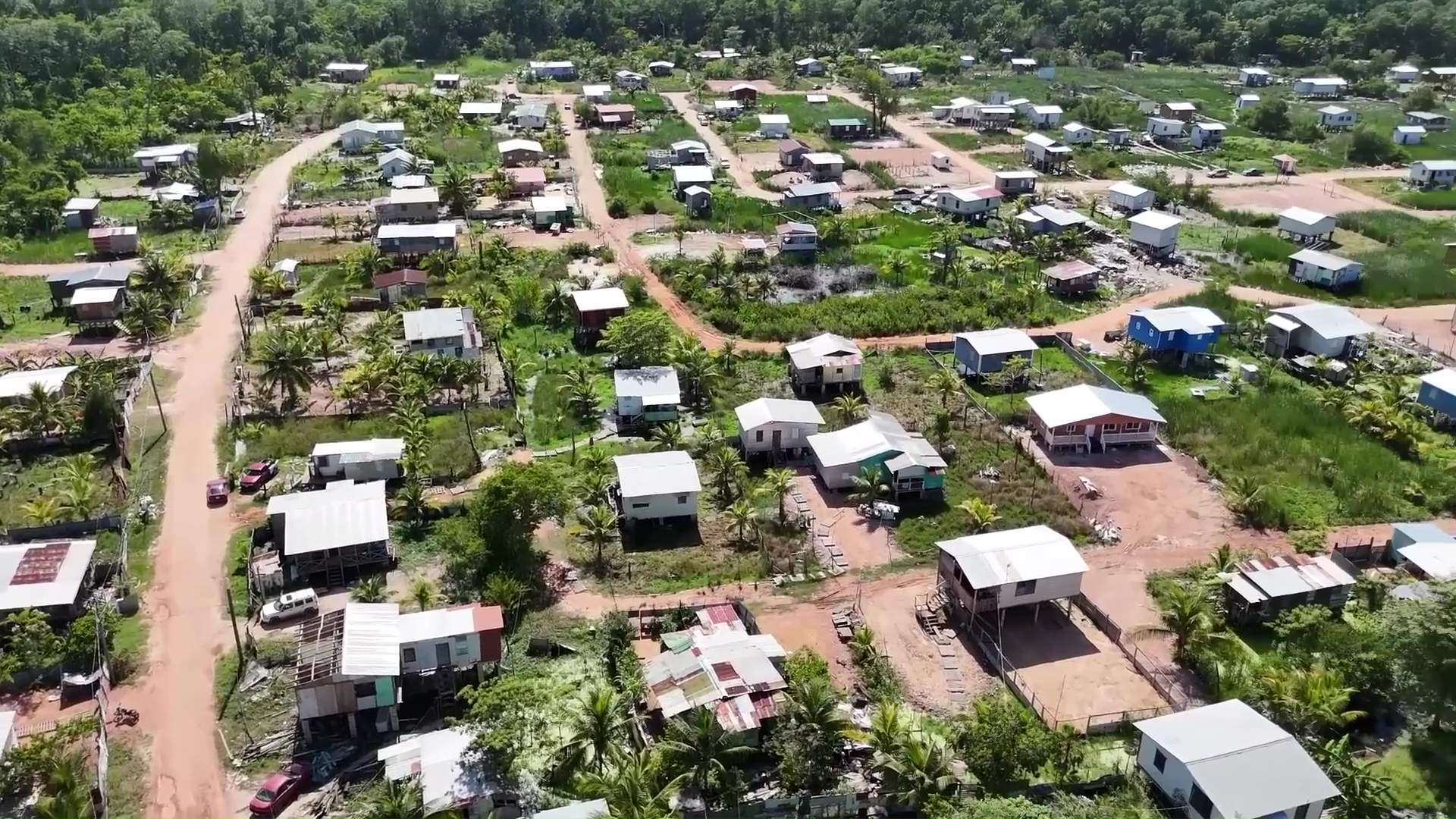
Belize City faces mounting infrastructural pressures as rapid, unregulated urbanization strains municipal resources beyond sustainable limits. Mayor Bernard Wagner has issued a stark warning about the consequences of uncontrolled expansion occurring across the city’s outer neighborhoods.
The urban growth, characterized by inadequate planning oversight, has resulted in severe infrastructure deficiencies including substandard road networks, insufficient drainage systems, and recurrent flooding incidents. According to Mayor Wagner, only Belama Phases One and Two represent properly planned developments, with subsequent expansions occurring without comprehensive urban design frameworks.
This haphazard development pattern has created significant tension between municipal authorities and other governing entities. Residents increasingly turn to the Belize City Council for solutions to problems stemming from poor planning decisions made beyond the council’s direct control.
The mayor emphasized that the current model of granting land without concomitant infrastructure planning places unsustainable burdens on city resources. New residents subsequently demand municipal services including paved roads and flood mitigation systems that were not incorporated into initial development plans.
Wagner described the situation as a battle against ‘unsustainable urbanization’ that continues to consume the city’s periphery. He advocates for immediate implementation of comprehensive, long-term planning strategies to address the mounting crises in transportation infrastructure, water management, and urban livability.
The absence of coordinated planning has created a cycle of reactive problem-solving rather than proactive urban management, with municipal authorities struggling to address deficiencies after developments have already been established.