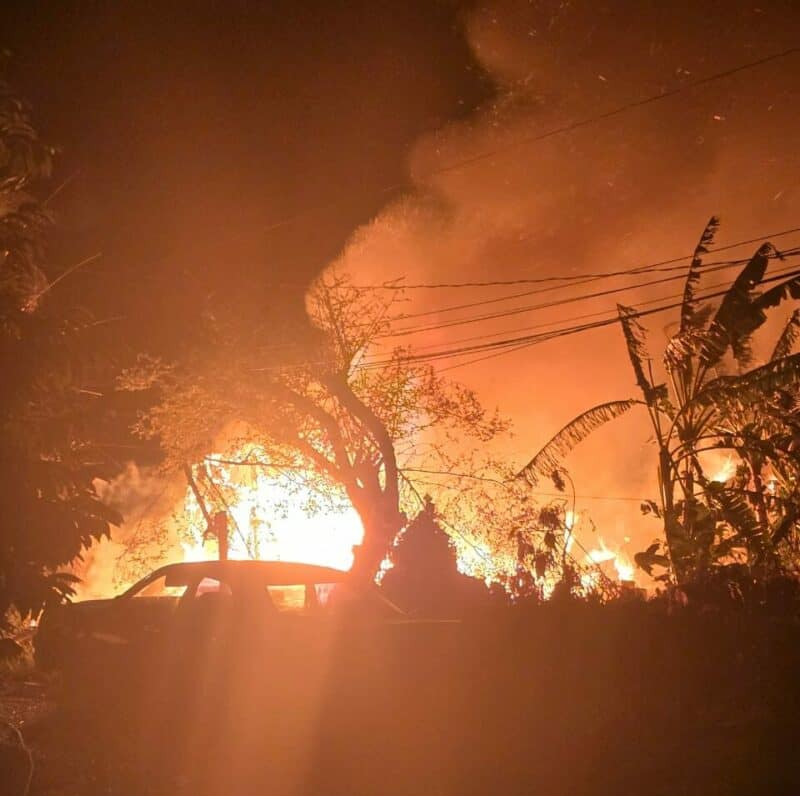
Meteorological authorities in Antigua and Barbuda have issued a significant wildfire alert, projecting heightened fire vulnerability throughout the first half of 2026 due to anticipated precipitation deficits. The national meteorological service indicates that substantially below-average rainfall patterns from February through early spring will likely create tinderbox conditions across the islands’ vegetation. This warning follows concerning December metrics where Antigua documented substantially reduced rainfall and Barbuda endured a severe 21-day arid period without measurable precipitation. The cumulative effect has left grassy and brush-covered landscapes increasingly combustible as the traditional dry season progresses. While daytime temperatures are projected to remain within seasonal norms, meteorologists highlight another concerning factor: above-average nighttime temperatures that inhibit moisture recovery through accelerated evaporation rates. The service further warns that short-term drought conditions will likely materialize by February’s conclusion, potentially escalating to moderate or severe drought classification by April if current rainfall patterns persist. Particularly concerning is the forecast that arid conditions may extend into the early wet season, dramatically amplifying fire risks in bush and grassland regions. Experts clarify that while these conditions don’t guarantee fire incidents, they create a high-risk environment especially during episodes of intensified winds, reduced humidity, or human activities including agricultural burning and land clearance operations. Government officials are urging sustained public vigilance and extreme caution with open flames, debris burning, and all potential ignition sources throughout the prolonged dry period.