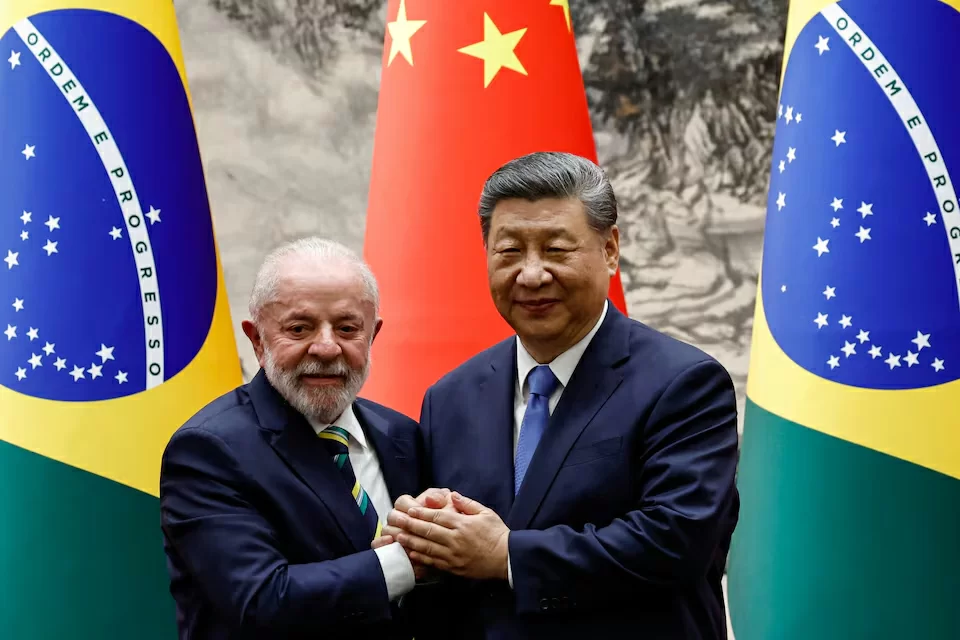
In a significant policy reversal, Brazil is now contemplating support for a partial trade agreement between the Mercosur bloc and China, according to senior Brazilian government officials. This strategic pivot marks a substantial departure for Latin America’s largest economy, which had previously blocked formal negotiations with Beijing to shield domestic industries from potential surges in Chinese imports.
The development emerges amid Uruguayan President Yamandu Orsi’s recent visit to Beijing, where both parties expressed optimism about expediting free trade talks between China and the Mercosur alliance—comprising Brazil, Argentina, Paraguay, Uruguay, and soon-to-join Bolivia.
While a comprehensive trade pact remains distant, Brazilian officials view a partial agreement as a viable long-term option. This reconsideration is partly driven by U.S. import tariffs that are disrupting global trade flows and reshaping international alliances. A limited-scope agreement could focus on non-tariff barriers such as import quotas, customs procedures, and health and safety regulations, potentially unlocking meaningful market access in China.
Insiders note that Brazil’s shift reflects a ‘new global scenario’ where diversifying trade partners has gained urgency. China offers the advantage of allowing negotiations to commence with selected tariff lines rather than requiring full-scale commitments.
However, significant obstacles persist. Mercosur requires unanimous consent among members, complicated by political divergences. Paraguay maintains official diplomatic relations with Taiwan, complicating negotiations with China—though Paraguay hasn’t ruled out an agreement provided its Taiwan relationship remains respected.
Argentina, Latin America’s third-largest economy, presents another challenge. Under President Javier Milei, who seeks closer U.S. ties, Buenos Aires remains hesitant to support China-led trade discussions within Mercosur, particularly if they might strain relations with Washington.
Trade experts emphasize that this new dynamic is partly driven by former President Trump’s trade policies, which pressured Latin American nations to limit Chinese ties. This has prompted China to strengthen regional trade relationships, positioning Mercosur as a potential key partner.
The ultimate form of any Mercosur-China trade agreement remains uncertain, but Brazil’s recent signals indicate growing willingness to reconsider traditional positions and explore new commercial opportunities in an evolving global landscape.