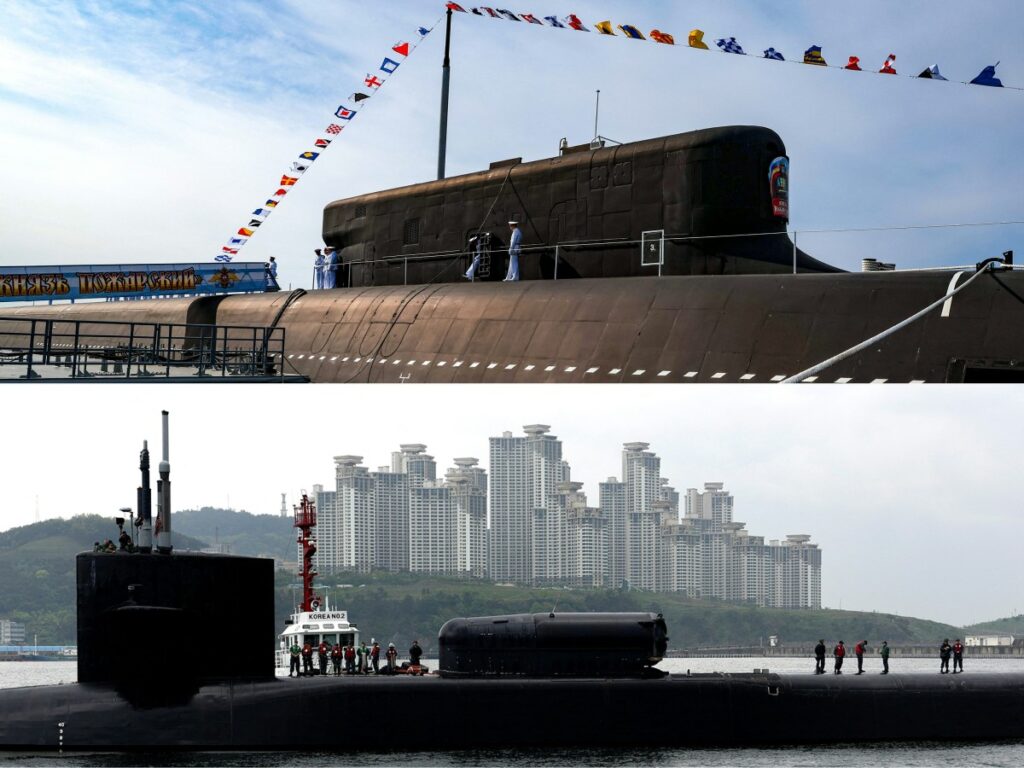
GENEVA, Switzerland — The United States has formally proposed trilateral nuclear disarmament negotiations involving Russia and China following the expiration of the New START treaty on Thursday. This development marks the first time in decades that the world’s leading nuclear powers operate without formal arms control agreements, raising global concerns about a potential new arms race.
Speaking at the UN Conference on Disarmament in Geneva, Under-Secretary of State for Arms Control Thomas DiNanno characterized the expired treaty as containing ‘fundamental flaws’ that failed to address contemporary security challenges. ‘Serial Russian violations, expanding global stockpiles, and structural deficiencies in New START’s design and implementation compel the United States to advocate for a new framework addressing current threats rather than those of a previous era,’ DiNanno stated.
The American diplomat particularly emphasized concerns about China’s nuclear program, noting that ‘China’s entire nuclear arsenal operates without limits, transparency, declarations, or controls’ despite its rapid expansion. This assessment was immediately challenged by Chinese Ambassador Shen Jian, who maintained that ‘China’s nuclear capabilities remain substantially inferior to those of the US and Russia’ and reaffirmed Beijing’s position against participating in current disarmament negotiations.
Russian Ambassador Gennady Gatilov introduced additional complexity to the proposed talks by demanding the inclusion of NATO nuclear powers France and Britain in any future negotiations. Moscow’s position reflects its view that NATO’s collective nuclear alliance status necessitates broader participation in arms control discussions.
The expiration of New START, which previously limited both the US and Russia to 1,550 deployed nuclear warheads each, has created a strategic vacuum in global nuclear arms control. The Trump administration rejected a Russian proposal to extend the existing treaty for one year, instead calling for a ‘new, improved and modernized agreement’ that would address what officials describe as New START’s limitations in upholding both American strategic deterrence and extended deterrence commitments to allies.