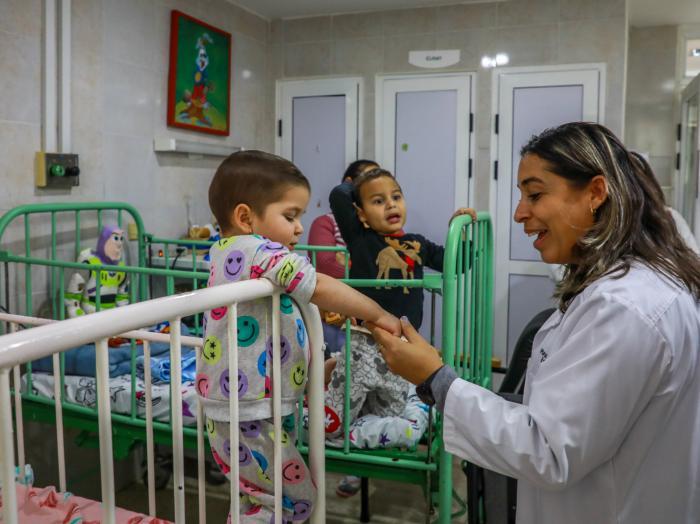
Cuba continues to advance its Comprehensive Cancer Control Program despite significant constraints stemming from the longstanding U.S. economic embargo, demonstrating the nation’s unwavering commitment to public health and patient care. On World Cancer Day, medical authorities revealed the substantial challenges facing oncology treatment in the country while reaffirming their dedication to maintaining cancer care services.
Dr. Luis Martínez Rodríguez, Director of the National Institute of Oncology and Radiobiology, emphasized that cancer represents the second leading cause of mortality in Cuba and the primary contributor to potential years of life lost. The country records approximately 50,000 new cancer diagnoses annually, with many cases being preventable through lifestyle modifications.
Dr. Carlos Alberto Martínez Blanco, Head of the Cancer Control Section at the Ministry of Public Health, detailed how the U.S. blockade has directly impacted disease management outcomes. The restrictions have created substantial obstacles across multiple domains including procurement of preventive vaccines, maintenance of critical medical technologies, acquisition of replacement components, access to specialized cancer medications, and implementation of advanced surgical technologies.
Despite these operational challenges, Cuba maintains a structured three-tiered healthcare approach that integrates primary care with specialized institutional services. The nation’s strategy emphasizes prevention, health promotion, and the development of an integrated national network coordinating clinical oncology, radiotherapy, and pediatric oncology services. This comprehensive framework underscores Cuba’s continued efforts to uphold the fundamental right to health care despite external economic pressures.