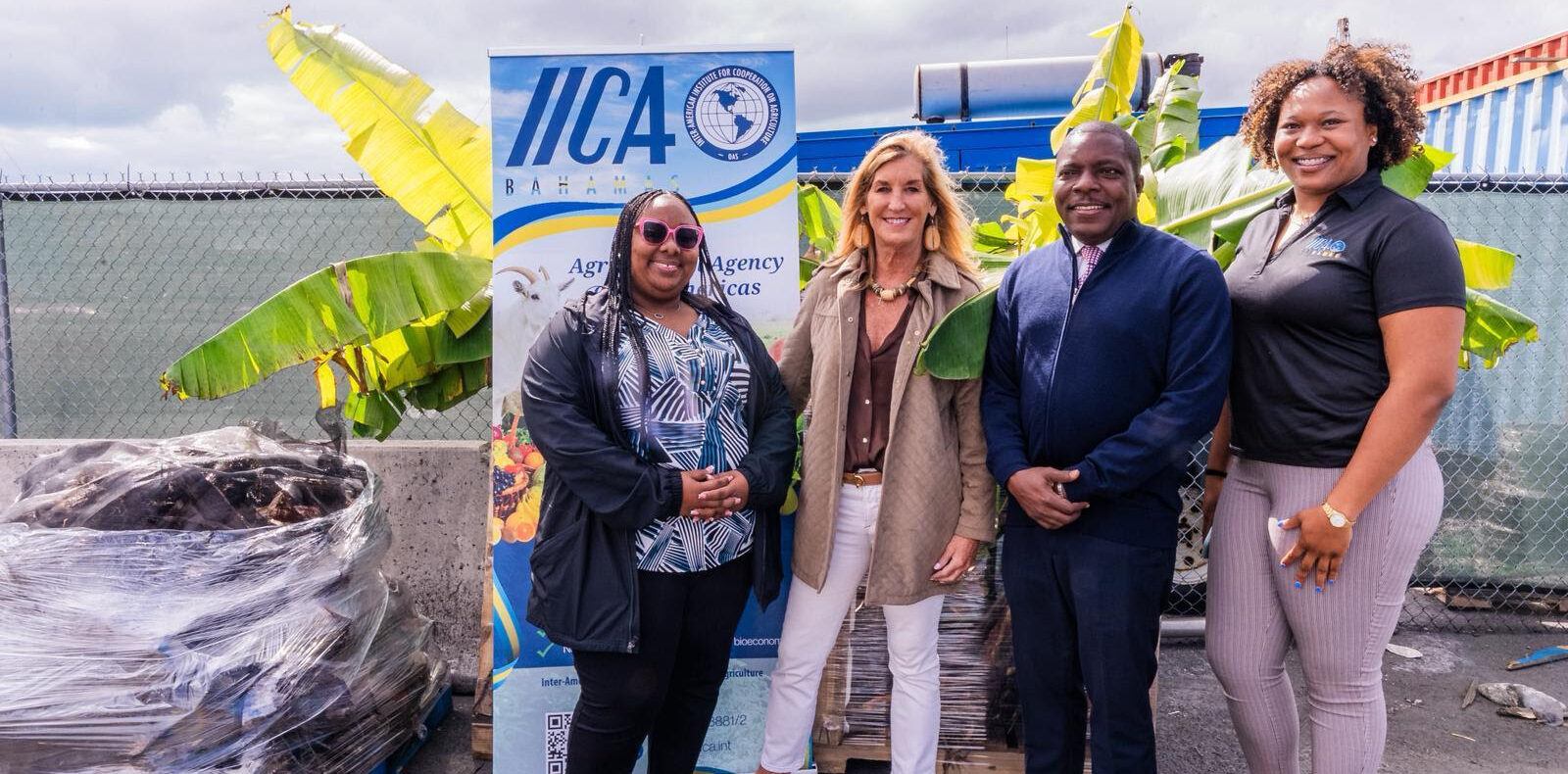
The Bahamas government, in partnership with the Inter-American Institute for Cooperation on Agriculture (IICA), has initiated a comprehensive agricultural support program for farmers devastated by Hurricane Melissa’s October impact. Minister of Agriculture and Marine Resources Jomo Campbell personally oversaw the distribution of critical farming inputs in Exuma district alongside IICA’s Bahamas Representative Mari Dunleavy and her technical team.
The catastrophic hurricane, which caused significant fatalities and widespread destruction across the Caribbean region, particularly damaged agricultural infrastructure throughout the Bahamian archipelago. Long Island emerged as one of the most severely affected areas, prompting coordinated international response efforts spearheaded by IICA to facilitate procurement and delivery of essential supplies.
Minister Campbell acknowledged IICA’s crucial support, stating: “This collaboration demonstrates our shared commitment to building agricultural resilience. Our ministry remains dedicated to implementing recovery strategies that will strengthen our food production systems against future climate challenges.”
The initiative forms part of broader strategic policies aimed at enhancing national food security through reduced import dependency and promoted sustainable agricultural practices. Dunleavy emphasized IICA’s ongoing commitment: “The Bahamas has been advancing strategic initiatives to strengthen local food security and foster sustainable agricultural production, which we fully support through technical cooperation and resource mobilization.”
Under Minister Campbell’s leadership, the recovery program integrates multiple developmental objectives including employment generation, support for traditional farmers and fisherfolk, and ensuring stable access to affordable fresh produce for the population. Notable components include expansion of sustainable agriculture projects and hydroponics systems across multiple islands, direct producer support through input provision and technical assistance, and value chain reinforcement through improved producer-distributor linkages.
The Ministry has concurrently intensified focus on agricultural education, developing specialized programs with academic institutions to attract youth to the sector. Enhanced phytosanitary capabilities through mobile laboratories and improved crop protection measures further demonstrate the comprehensive approach to building a competitive, resilient agricultural sector capable of accessing international markets.