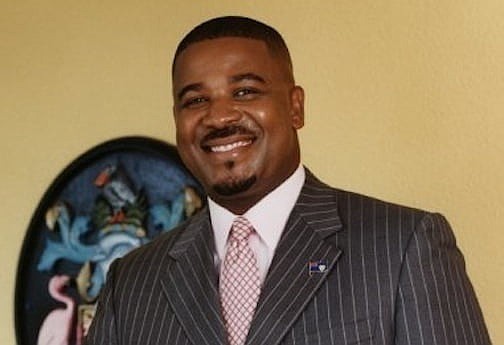
In a landmark ruling that concludes one of the most significant legal proceedings in the modern history of the Turks and Caicos Islands, the territory’s former Premier Michael Misick, his brother Thomas Chalmers “Chal” Misick, and former Lands Minister McAllister “Piper” Hanchell were found guilty on multiple corruption charges Wednesday.
The verdict, delivered by Justice Rajendra Narine following a four-hour public hearing in Providenciales, marks the culmination of a ten-year judicial process that exposed systemic corruption at the highest levels of government. The case centered on a sophisticated scheme where senior officials allegedly received substantial bribes and illicit benefits in exchange for granting developers preferential access to government-owned land at significantly reduced prices during a period of intensive resort development.
According to court findings, the corruption network involved tens of millions of dollars in financial transactions, luxury real estate, and other perks connected to controversial land deals across multiple islands. Justice Narine determined that the defendants engaged in bribery, conspiracy to defraud both the Crown and the Turks and Caicos government, and violated the Proceeds of Crime Ordinance.
Evidence presented during the trial revealed that former Premier Misick knowingly accepted inducements including a multimillion-dollar loan, a luxury villa, and exclusive credit card access that financed millions in personal spending. In return, he provided favorable concessions and Crown land to developers. The judge concluded that these benefits were intentionally accepted as compensation for corrupt official acts.
Former Minister Hanchell was convicted of accepting bribes connected to land transactions on Salt Cay and West Caicos, while Chal Misick was found guilty on multiple counts of money laundering related to covering scheme-associated debts and expenses. The court rejected defense arguments that Hanchell’s personal wealth made corruption implausible.
This verdict follows a broader investigation that previously led Britain to suspend self-governance in the territory from 2009 to 2012 after a commission of inquiry discovered widespread abuse of power. The prosecution successfully argued that the corruption was intrinsically linked to resort developments, particularly on Salt Cay, where extensive Crown lands were transferred or leased at discounted rates to developers who received concessions reserved for local inhabitants despite not qualifying for such status.
All three convicted individuals remain on bail with increased amounts and are prohibited from leaving the country pending sentencing scheduled for May 4. Prosecutors announced intentions to seek confiscation of tens of millions of dollars in assets connected to the corruption scheme.