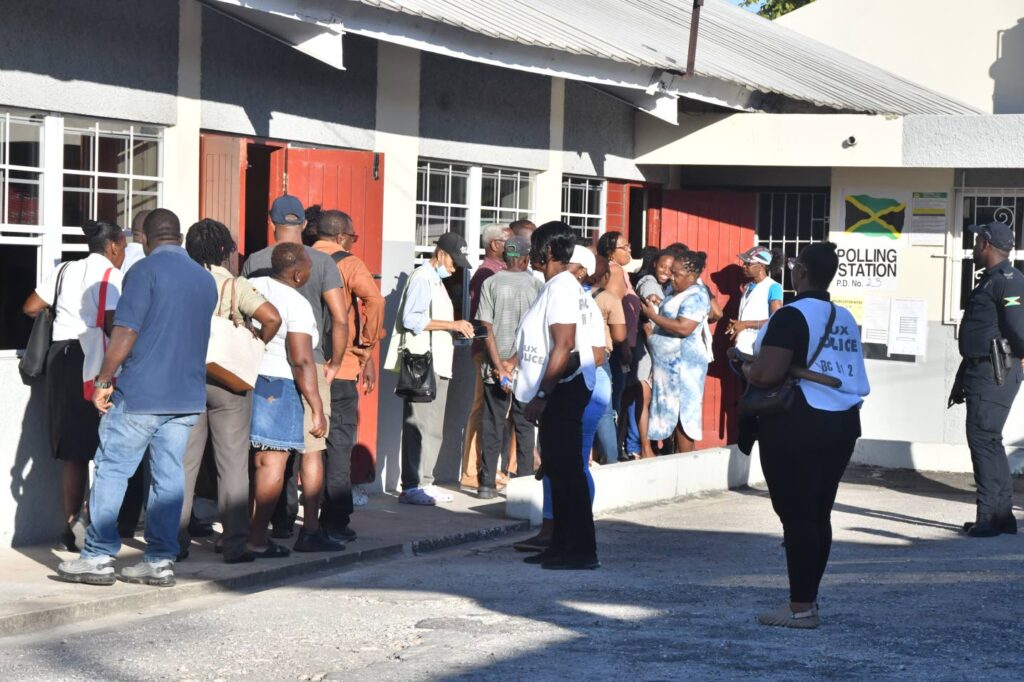
Jamaica’s parliamentary Human Resource and Social Development Committee has initiated a significant examination of the nation’s electoral framework, scheduling a pivotal session with the Electoral Office of Jamaica (EOJ) on April 2nd. This procedural review responds to growing concerns about potentially disenfranchising voting regulations that may affect election outcomes.
Committee Chairman Duane Smith revealed that the probe was triggered by a private member’s motion from St Catherine South Western MP Everald Warmington, addressing fundamental aspects of electoral integrity. The motion proposes substantial modifications to the Representation of the People Act, including reconsidering ballot marking requirements beyond the traditional ‘X’, adjusting polling hours, and addressing procedural inconsistencies that contribute to rejected ballots.
Smith shared compelling evidence from the previous general election, noting “over 600 rejected ballots” in his constituency alone—an unprecedented number that reflects systemic issues. He described instances where technically valid ballots were invalidated for minor procedural errors, such as improper tearing along perforated lines, effectively disenfranchising legitimate voters.
The proposed reforms include extending polling closure from 5:00 pm to 6:00 pm and permitting diverse marking instruments beyond standard pencils. However, St Thomas Eastern MP Yvonne Rose-Marie Shaw expressed reservations about abandoning established pencil protocols and extending voting hours, citing potential security concerns in remote communities.
Additional concerns emerged regarding operational efficiency during elections. St Ann North Western MP Krystal Lee reported that voting duration had “increased by double the amount of time,” creating extensive queues and voter frustration. Manchester Central MP Rhoda Moy Crawford highlighted workplace voting access issues, noting widespread non-compliance with laws requiring employers to grant voting leave.
Senior Legislative Counsel Tiffany Stewart provided critical legal context, warning that seemingly minor amendments could have extensive legislative implications. She noted the Act’s numerous recent revisions (2016, 2020, 2024) and recommended involving the Attorney General’s Chambers and Legal Reform Department in subsequent consultations.
Chairman Smith outlined a phased approach: initial consultation with the EOJ, followed by engagement with legal and policy entities. The committee will also conduct comparative research on international voting standards and solicit public submissions, recognizing the profound implications electoral reforms hold for democratic participation and election legitimacy.