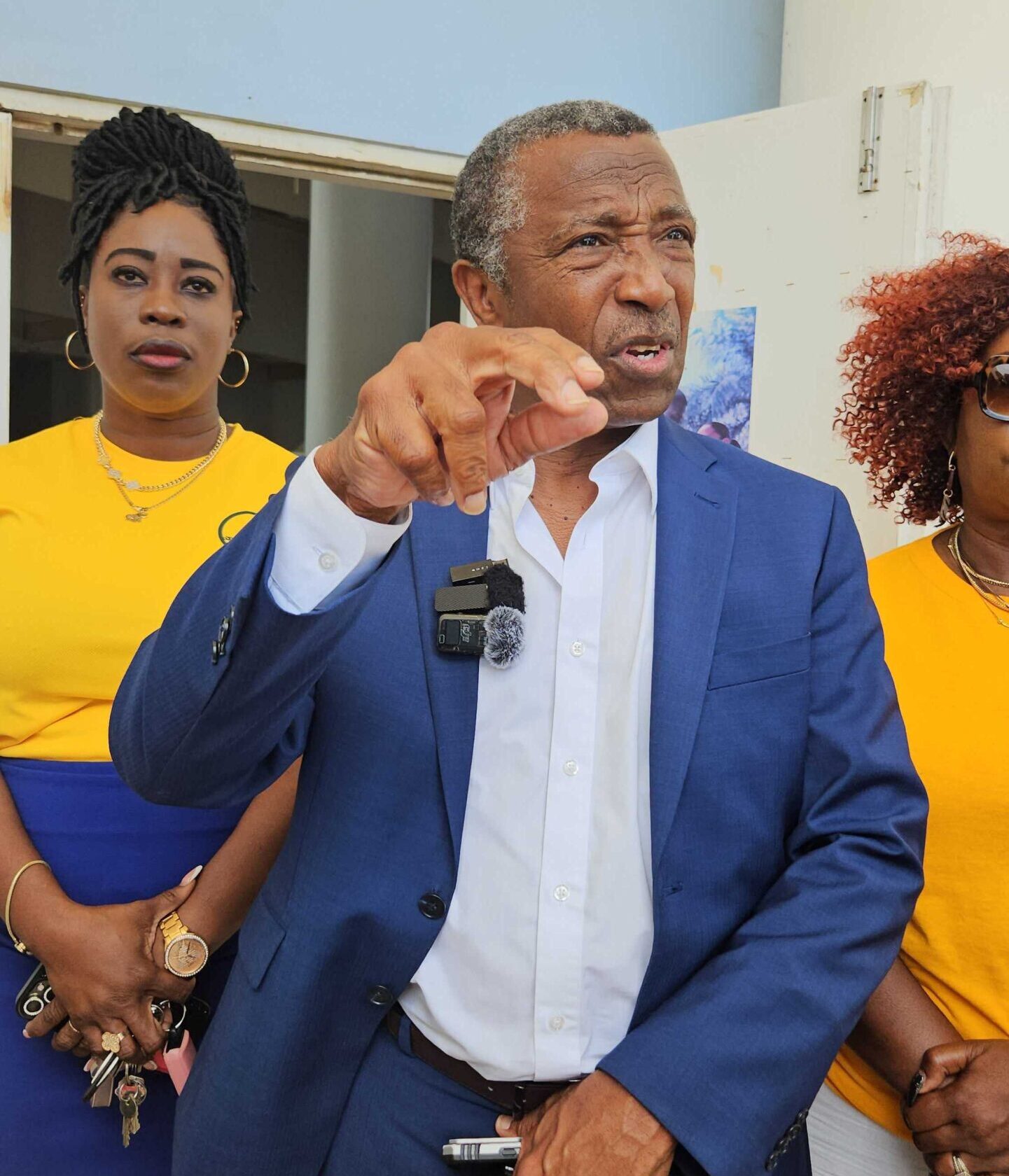
In a pivotal campaign address, Democratic Labour Party leader Ralph Thorne unveiled ambitious plans to overhaul Barbados’ transportation infrastructure, targeting what he described as an outdated system failing to serve modern commuter needs. Speaking at a national meeting in Speightstown, Thorne committed to creating a decentralized network aligned with the island’s evolving economic geography should his party secure victory in the February 11 general election.
The proposed reforms would fundamentally restructure bus routes to provide direct, affordable connections between residential areas and major commercial hubs like Warrens, eliminating the current necessity for multiple bus transfers that disproportionately burden working-class citizens. Thorne emphasized that the existing framework—designed decades ago when Bridgetown dominated commercial activity—imposes excessive financial strain on low and middle-income workers who must navigate inefficient routes.
“The arithmetic of injustice is clear,” Thorne stated. “A worker traveling from St. John to Speightstown spends $14 daily on four separate bus fares—this represents a systemic failure that exacerbates living cost pressures.” He criticized the persistent neglect of pedestrian infrastructure in modern commercial developments, noting that centers like Warrens were designed primarily for automotive access rather than public transportation integration.
Thorne pointed to the organic transportation ecosystem at Sheraton Mall—where public service vehicles naturally congregate—as demonstrating how commercial centers functionally require integrated transport solutions. His vision includes establishing strategic transport hubs outside Bridgetown, deploying comfortable electric buses on rationalized routes, and creating crisscrossing connections that enable single-ride journeys across the island.
The DLP leader framed transportation reform as both an economic necessity and social justice imperative, arguing that physical development must marry human development to ease burdens on society’s most vulnerable members. This transportation policy forms a cornerstone of the party’s broader national development agenda aimed at creating a more equitable and efficient Barbados.